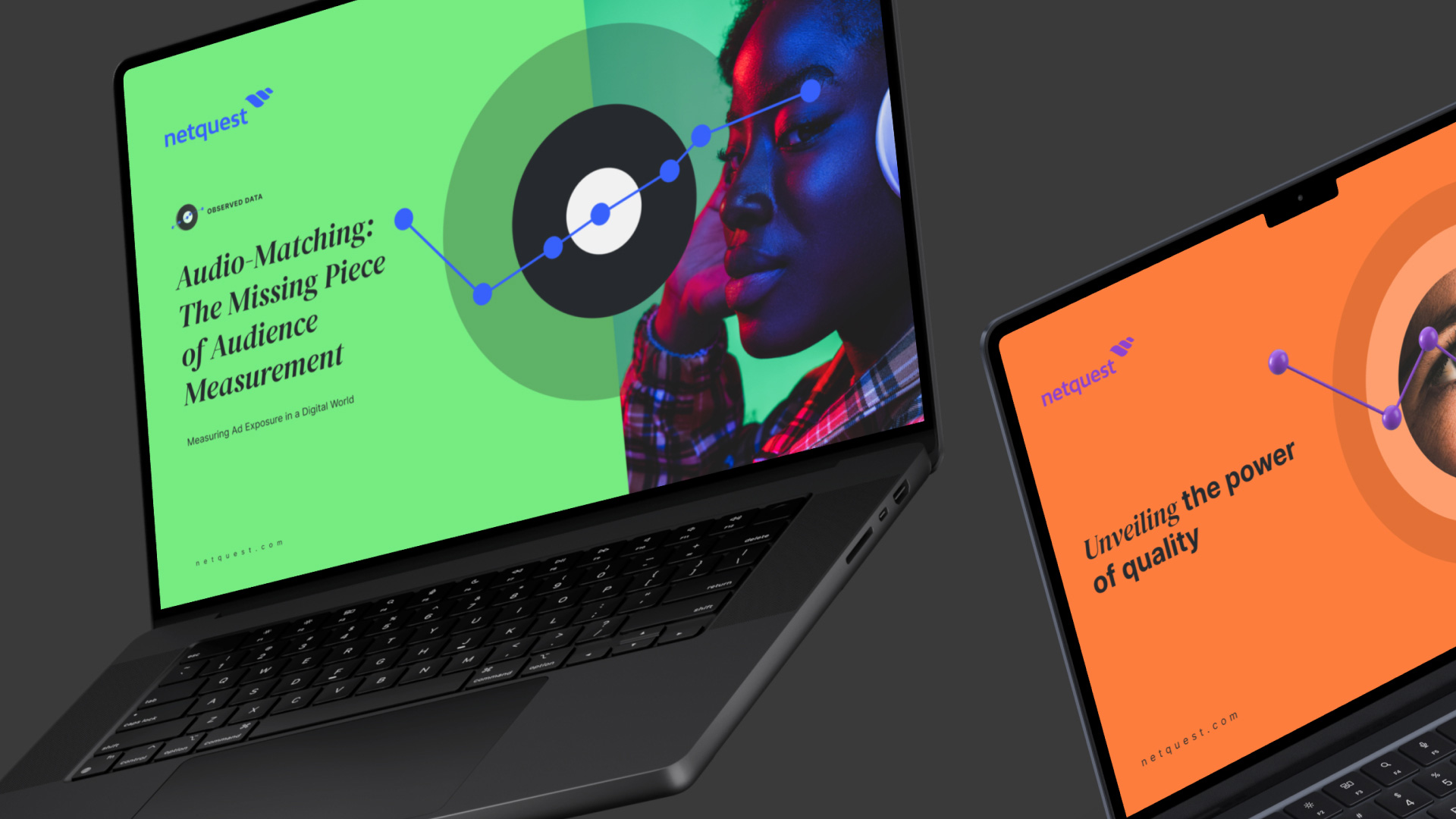
inbound-header-desktopa
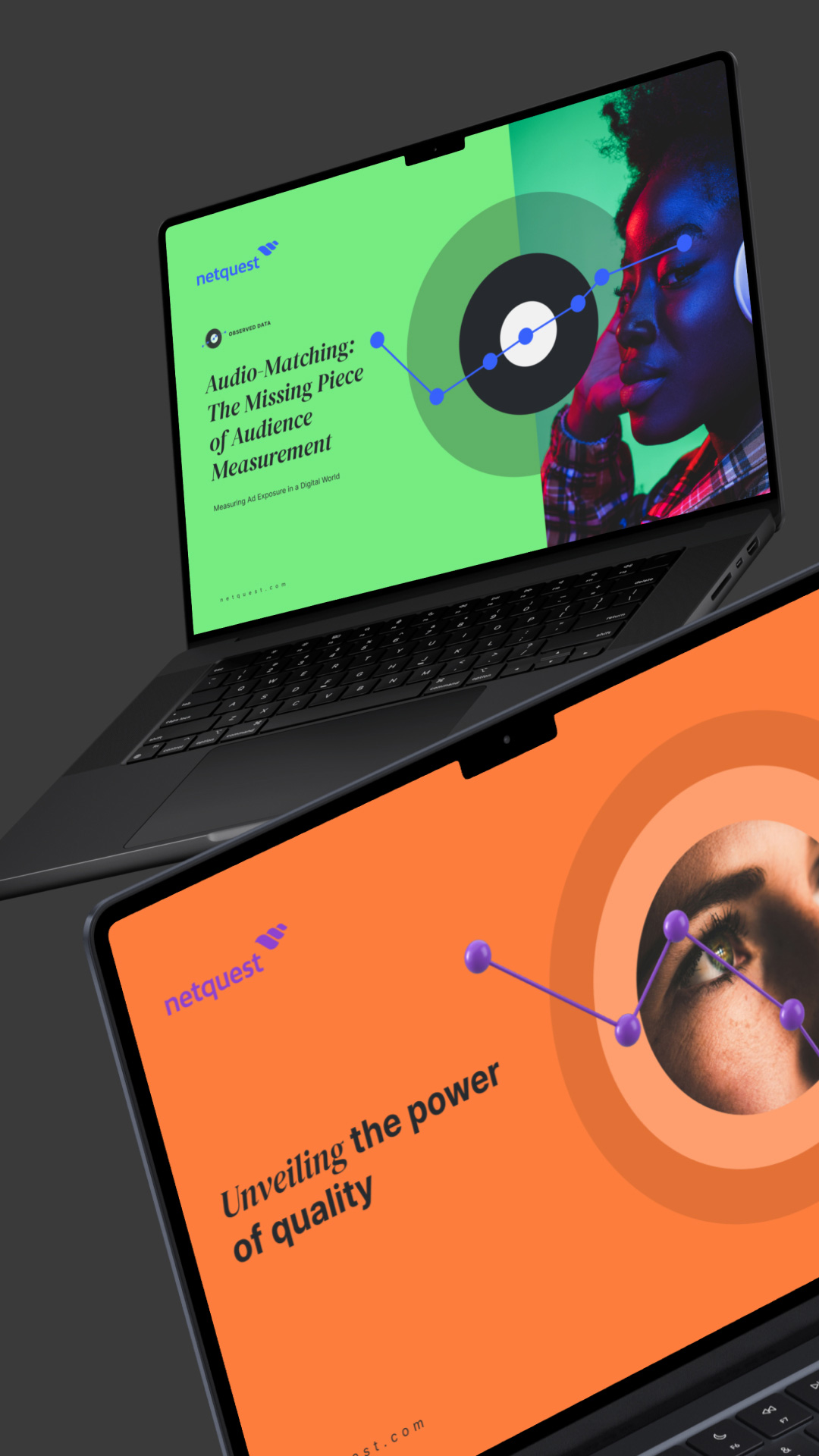
inbound-header-mobilea

Turning a brand narrative into a revenue engine.

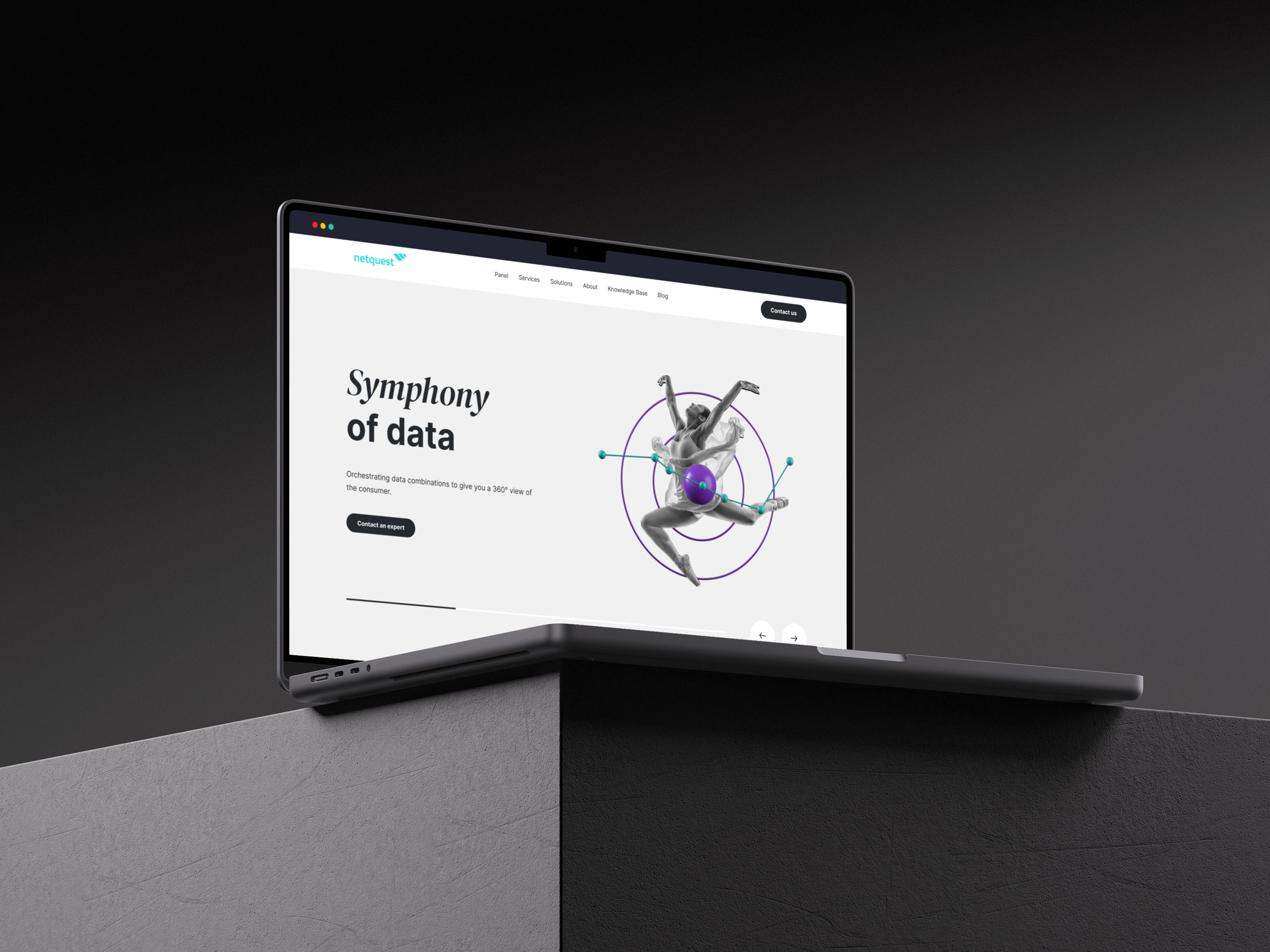
Symphony of Data gave Netquest a story. The next question was whether that story could move a pipeline.

My role

As Senior Brand Designer and Creative Lead within the Experience Team worked closely Marketing Automation and Marketing Content, with Leadership tracking the result. Drove the language shift from methodology-led to outcome-led copy across the system, and the HubSpot-native modular system underneath it. 

1. Where the rebrand left us

Business Context & Business Goals
 
Netquest had spent a year landing the Symphony of Data rebrand. The visual identity worked. The narrative was in market. The pipeline was not following.
 
Growth still depended on outbound effort, paid acquisition, and reputation. Google Ads CPCs were climbing quarter over quarter. LinkedIn was returning low SQL efficiency. 
The marketing budget was tightening.
 
The internal target was explicit. SQL volume needed to grow against 2023, and the two higher-value personas, Katia and Sofia, needed to represent at least 45% of those SQLs.
 
Without an inbound surface that converted, the rebrand became a perception exercise. The story would land, but the business would not feel it.
 
2. The pipeline gap
 
Problem (User + Business + Organisational)
 
The homepage worked like a brochure. Service pages explained methodologies. Email automation broadcast generic content. Three different buyers, Angela the agency researcher, Katia the marketing decision-maker, Sofia the operational lead, all met the same generic narrative. The site spoke in industry vocabulary instead of buyer vocabulary.
 
The deeper issue sat behind the funnel. Design at Netquest was historically a production resource. Product managers drove decisions. Design, marketing and product operated as separate functions. The inbound engine had to be shipped while that culture was still in transition. This was not only a funnel problem, it was a systems coordination problem.
 
Convincing the right stakeholders was part of the work.
 
3. Why a router, not a page
 
Approach & Rationale
 
The homepage stopped being a brochure and became a router. Its role changed from explanation to qualification. Three buyers, three routes, three outcome languages. Service pages spoke outcomes, not methods. Email flows segmented by persona. Organic content went first-class around a Consumer Insights vertical.
 
Underneath was the biggest lever: language. Market research vocabulary out. Outcome vocabulary in. The brand had to sound like the buyers we were trying to reach, not the industry we were embedded in.
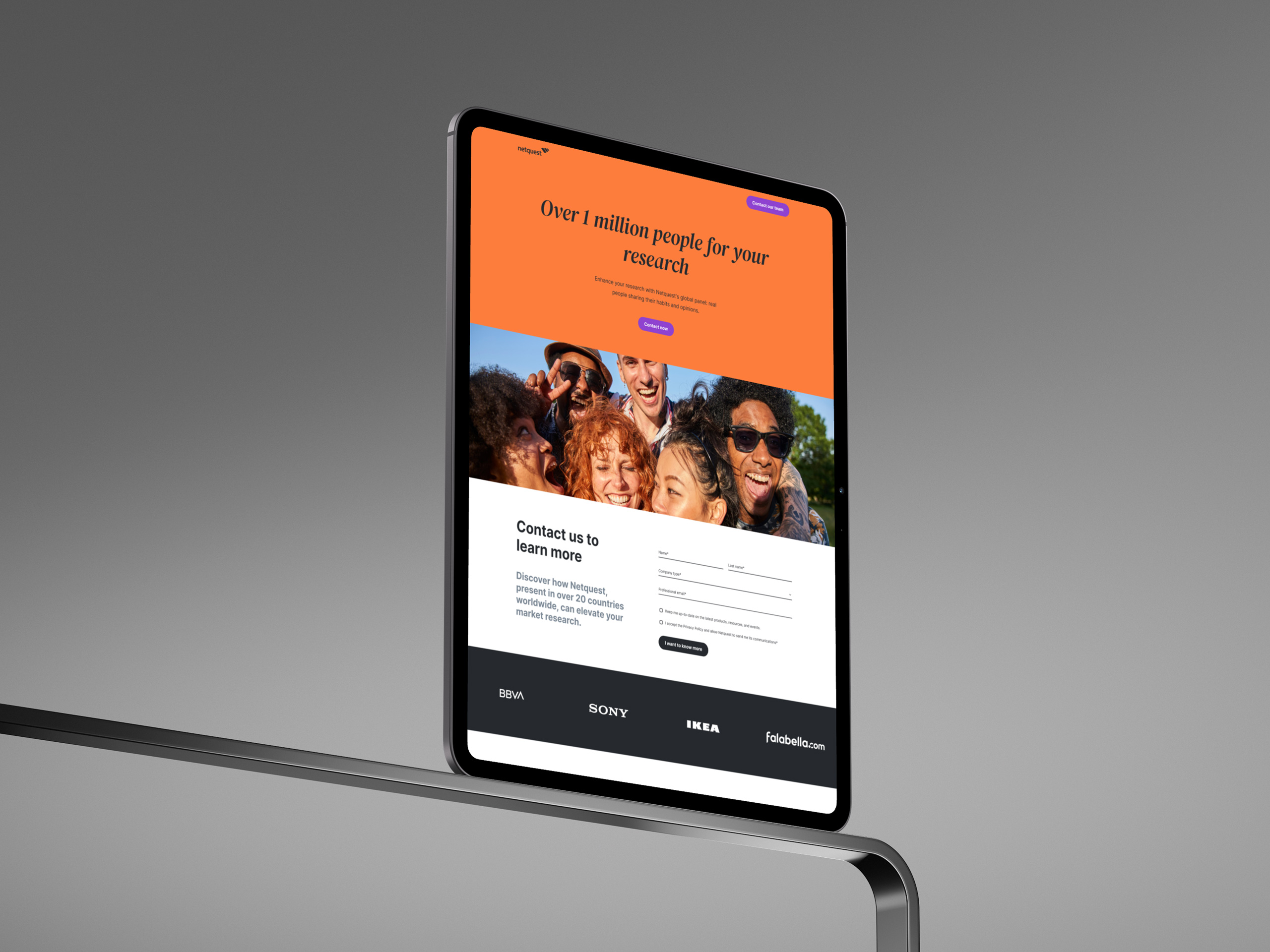
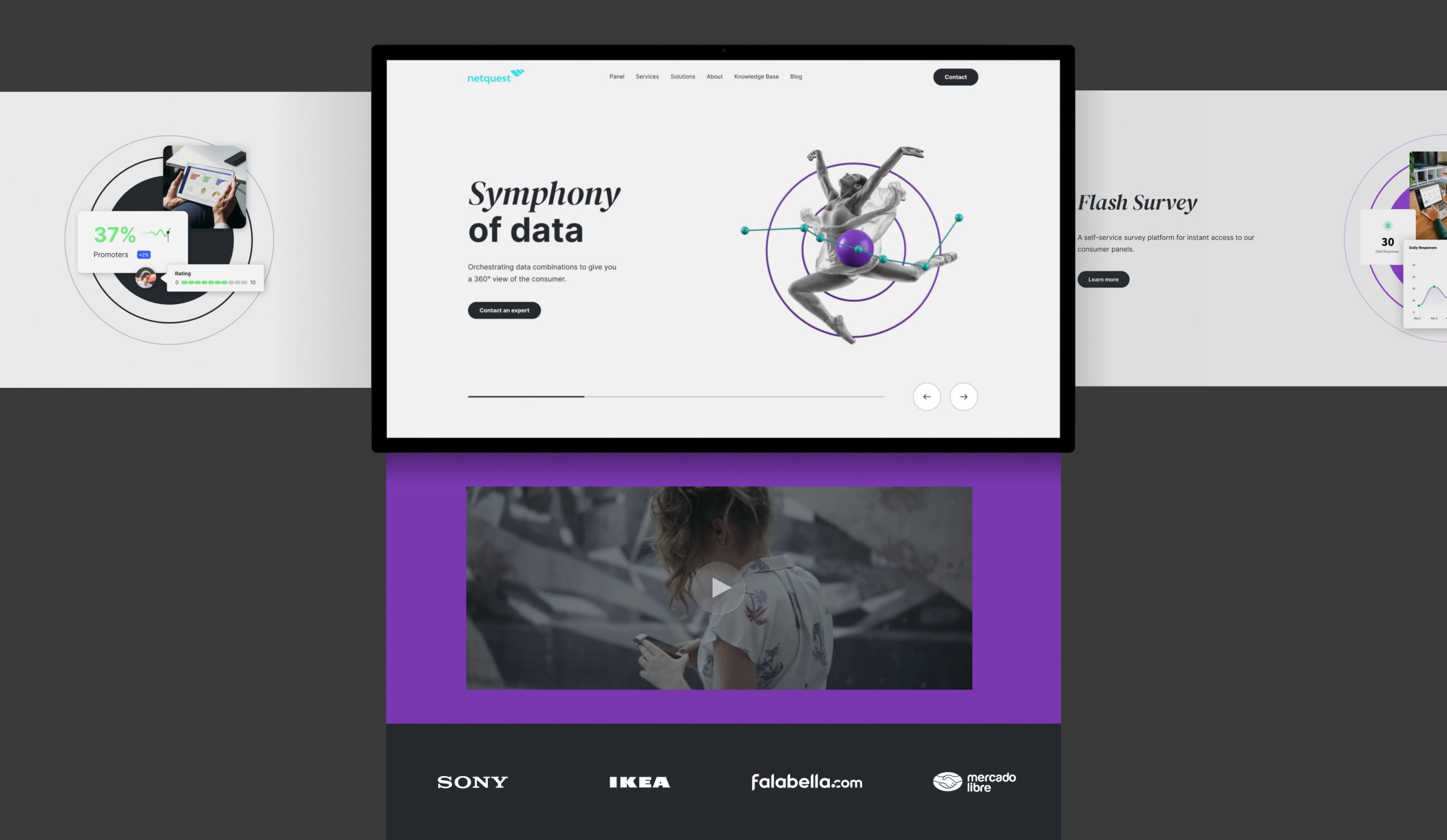
The first version of the homepage led with the Symphony metaphor. It looked distinctive but did not qualify the buyer. The second version added social proof (Sony, IKEA, Falabella, Mercado Libre), scale evidence (more than 1 million people), and a consultative CTA. Credibility moved up. The metaphor stayed, lower in the page.
 
The first version made the brand look like itself. The second version made the brand work like a funnel.
 
4. Building the engine
 
Execution
 
Five decisions shaped how buyers experienced the system.
Homepage as router. Service-based landings, not campaign-based. Email flows around personas (Katia for strategic insight, Sofia for operational evidence, Angela for sample quality). Organic as a first-class channel. A user testing licence to replace internal opinion with observed behaviour.
 
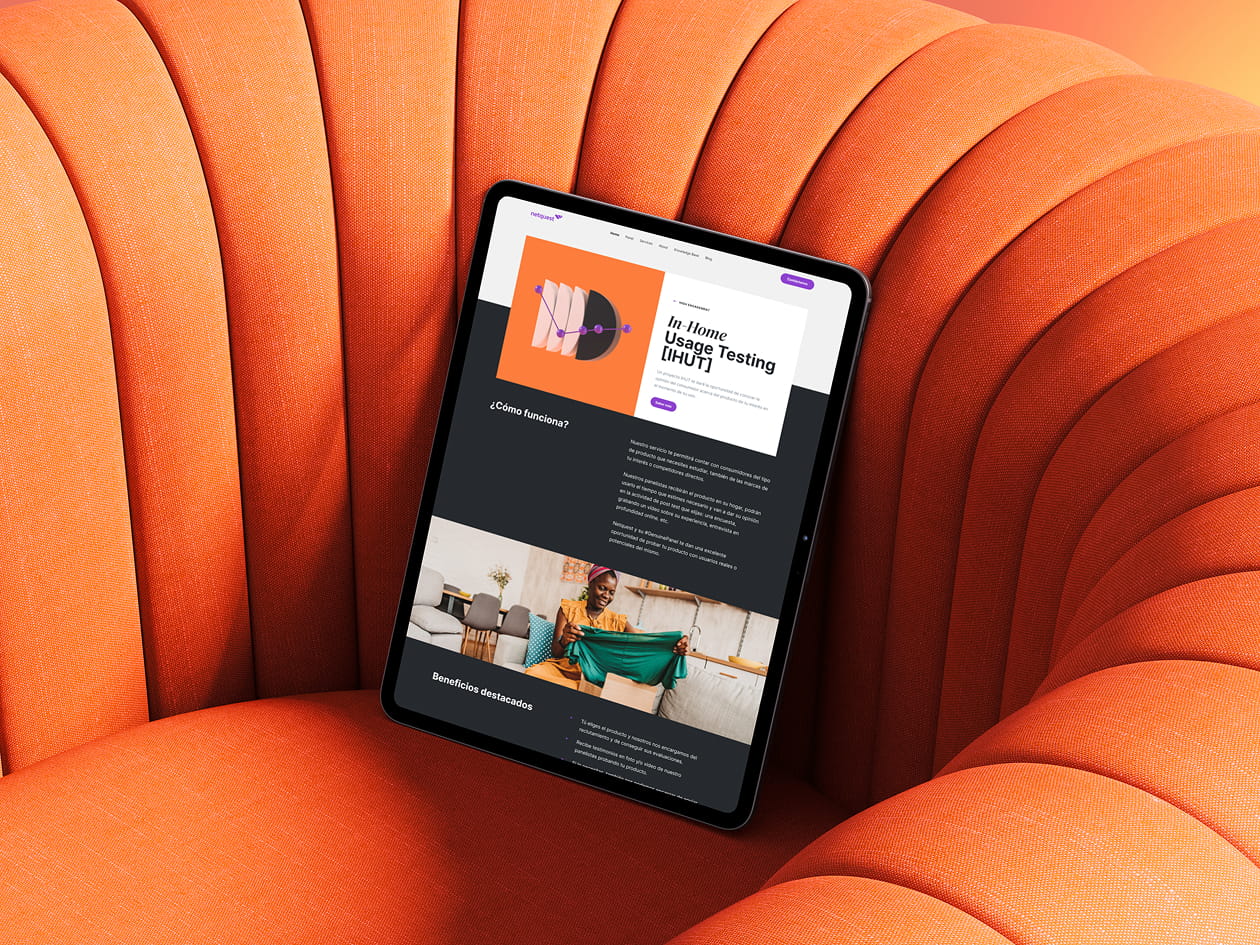
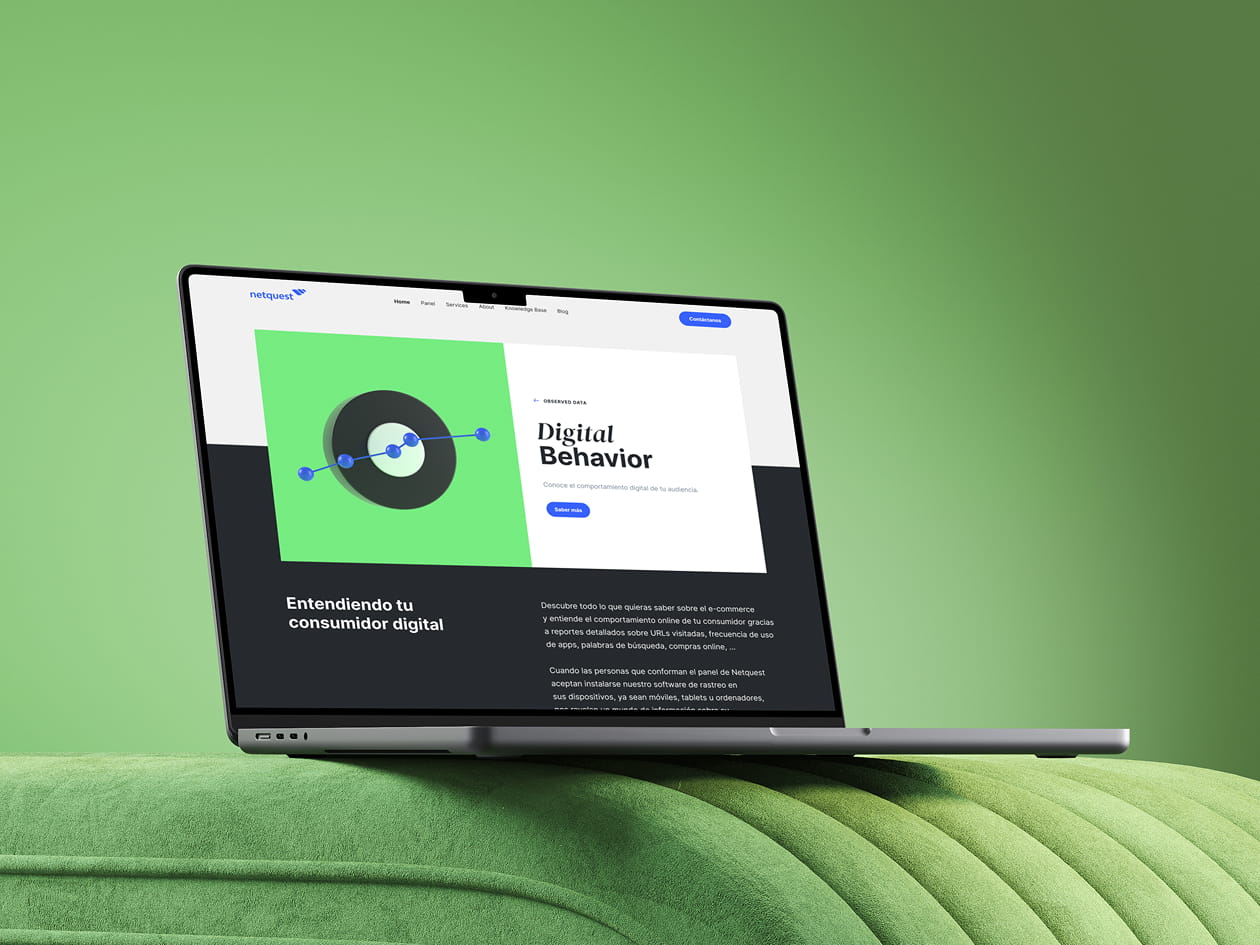
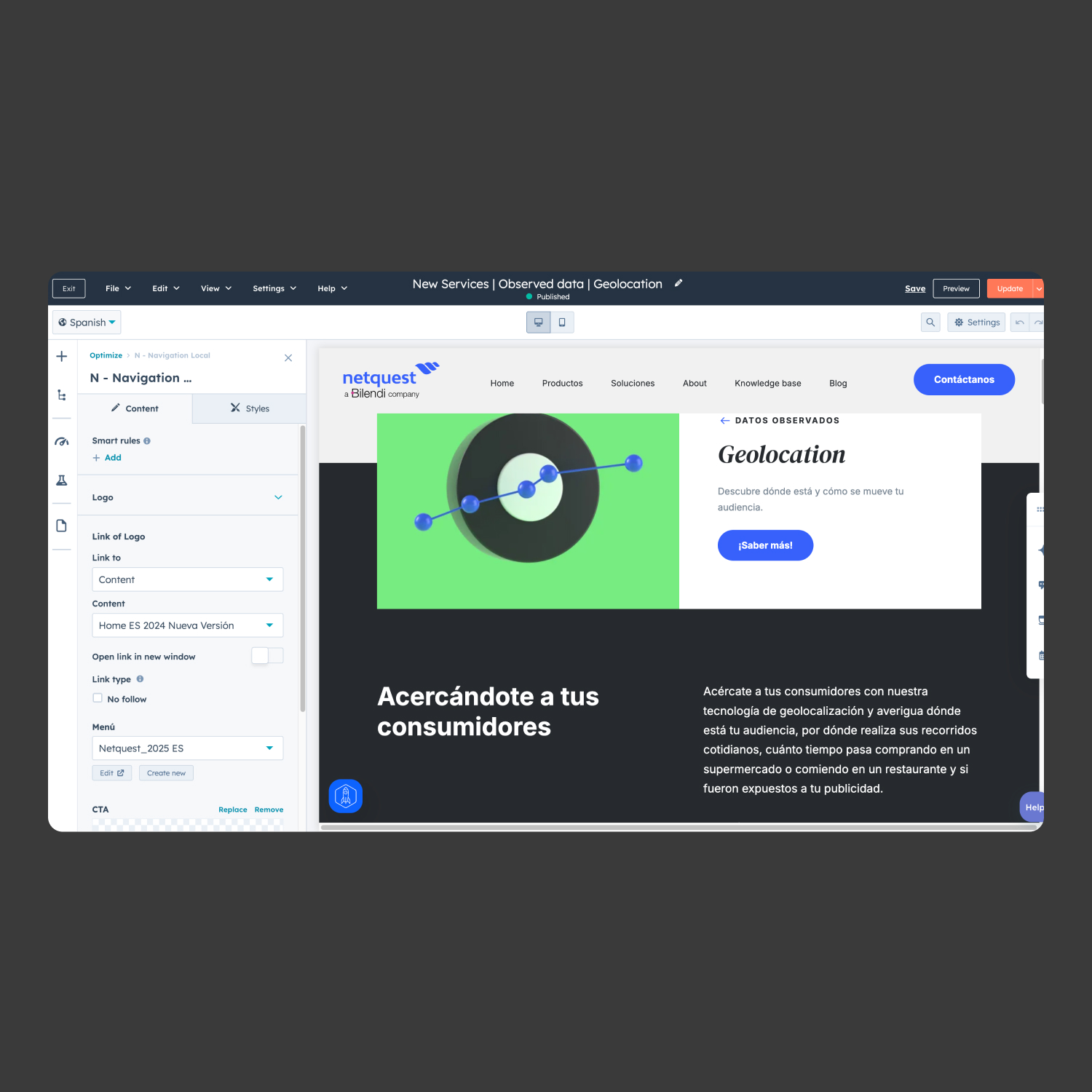
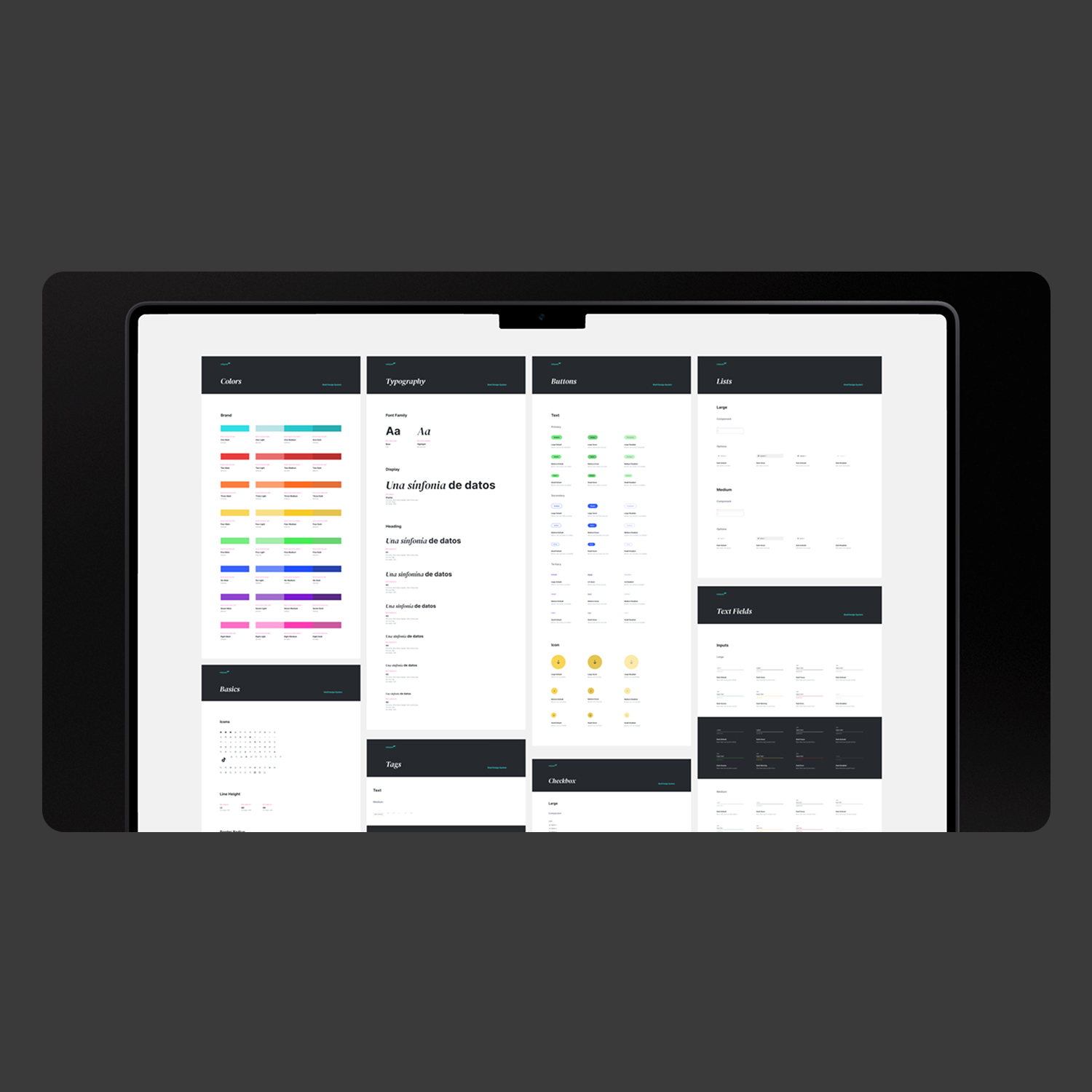
The sixth decision sat underneath: a modular system inside HubSpot. Landings, sections, CTAs, emails and campaign components all lived in one HubSpot-native design system. Marketing and CRM could produce, localise and test without rebuilding pages. The system kept compounding without bottlenecking on design.
 
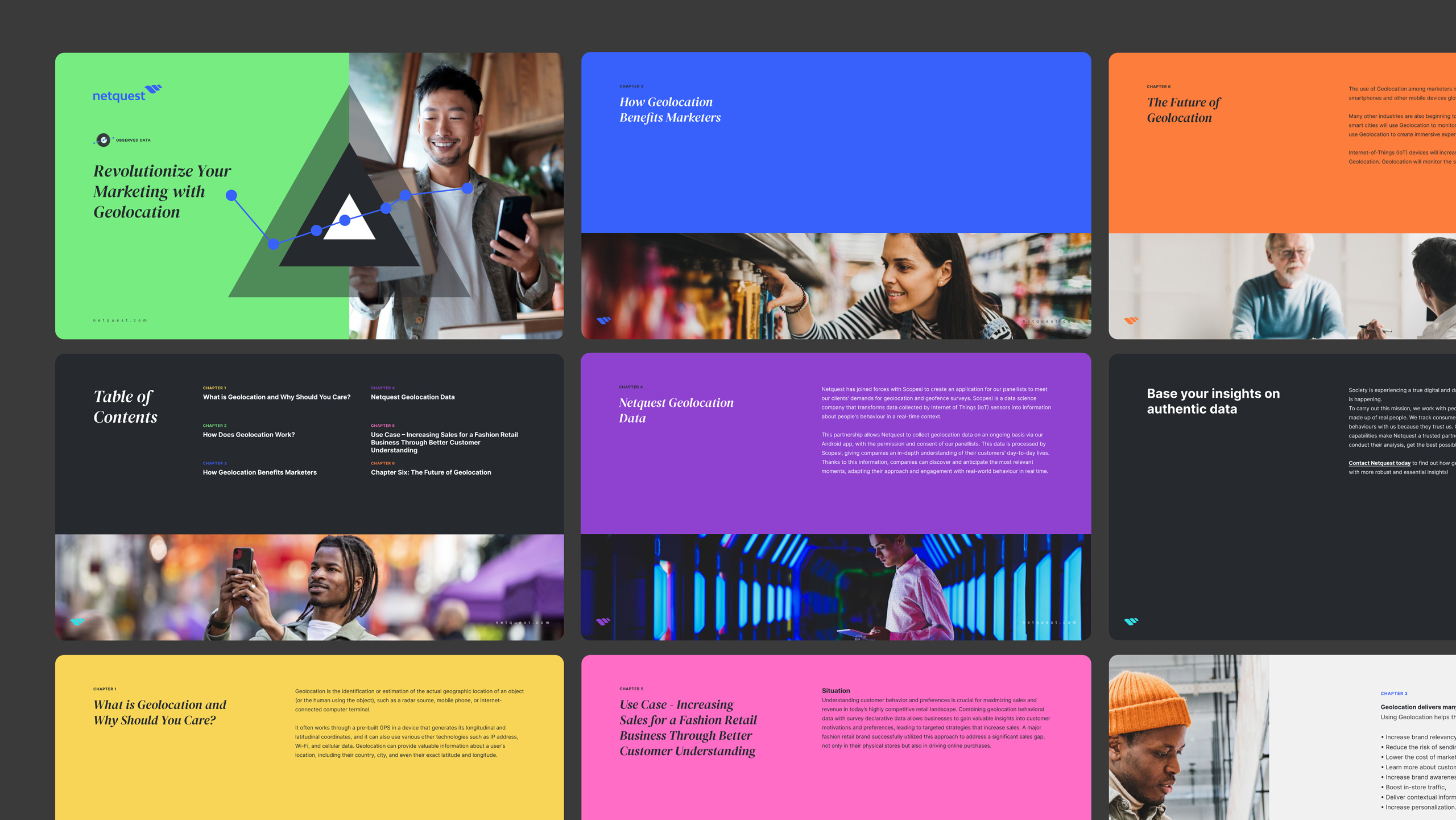
The language shift was formalised as NTOV, the Netquest Tone of Voice, with pillars around clarity, simplicity, accessibility and human voice. The visual language stayed within Symphony of Data. The information architecture, the copy and the CTA logic carried the new weight.
 
Surface continuity. Deeper system
 
5. What changed

Outcomes / Key Insights
 
By November 11, the system had delivered 1,676 SQLs, double the annual target. By year end, 1,943 in total. Owned channels alone produced 876 SQLs, hitting the original target without paid amplification.
 
The real test came in Q1 2025. Paid budget dropped. Email Marketing, particularly the webinar nurturing campaign, absorbed the gap. The owned system did not just hit target. It caught the system when paid was pulled back.
 
The system also found a buyer it wasn't designed for. Katia and Sofia reached around 36% of accepted SQLs against the 45% target. Academic emerged as the unexpected reader and entered the Q2 SEO roadmap as a new vertical.
 
The design function changed posture too. Conversations with leadership moved from production scheduling to system performance. The role evolved from production resource to growth surface.
 
6. What I learned
 
Learnings
 
Brand systems get judged on their downstream effects. A refresh that looks good but cannot be translated into a working funnel is half a project.
 
Language was the biggest lever. The single biggest shift in conversion behaviour came from rewriting copy around outcomes instead of methods. Visual systems create attention. Language creates conversion.
 
Organic infrastructure creates resilience. The 876 SQLs from owned channels are not just a metric. They are the part of the system that does not get more expensive next quarter.
 
The system will find buyers you did not design for. Build for the personas you know, but watch the data for the ones the system surfaces.
 
I would have made the case for the user testing licence earlier. And I would have built a tighter loop with Sales from the start. The system grew the top of the funnel faster than mid and late funnel conversion could keep up with.
 
Volume can come from spend. Resilience cannot.
 
7. Impact
 
Three measurable shifts after rollout.
 
1,676 SQLs delivered by November 11, double the annual target. Year-end total: 1,943.
Measured against the SQL target set by Sales and Marketing for 2024.
 
Driver: the homepage shift from brochure to buyer-routed system, plus persona-segmented nurturing.
 
876 SQLs from owned channels alone without paid amplification. In Q1 2025, when paid budget dropped, email absorbed the gap.
Measured by source attribution in HubSpot, excluding paid media spend.

Driver: organic-first investment in the Consumer Insights vertical and persona-based email nurturing.
 
Visit-to-form conversion roughly doubled, from 0.21% to 0.44%. Bounce rate fell around 3 points.
Measured in HubSpot against the pre-rebrand baseline. Combined effect of the rebrand and the inbound architecture.
 
Driver: outcome-led copy, persona routing through Soluciones, and clearer CTAs across the funnel.
nq-in-02
ntq-in-03b

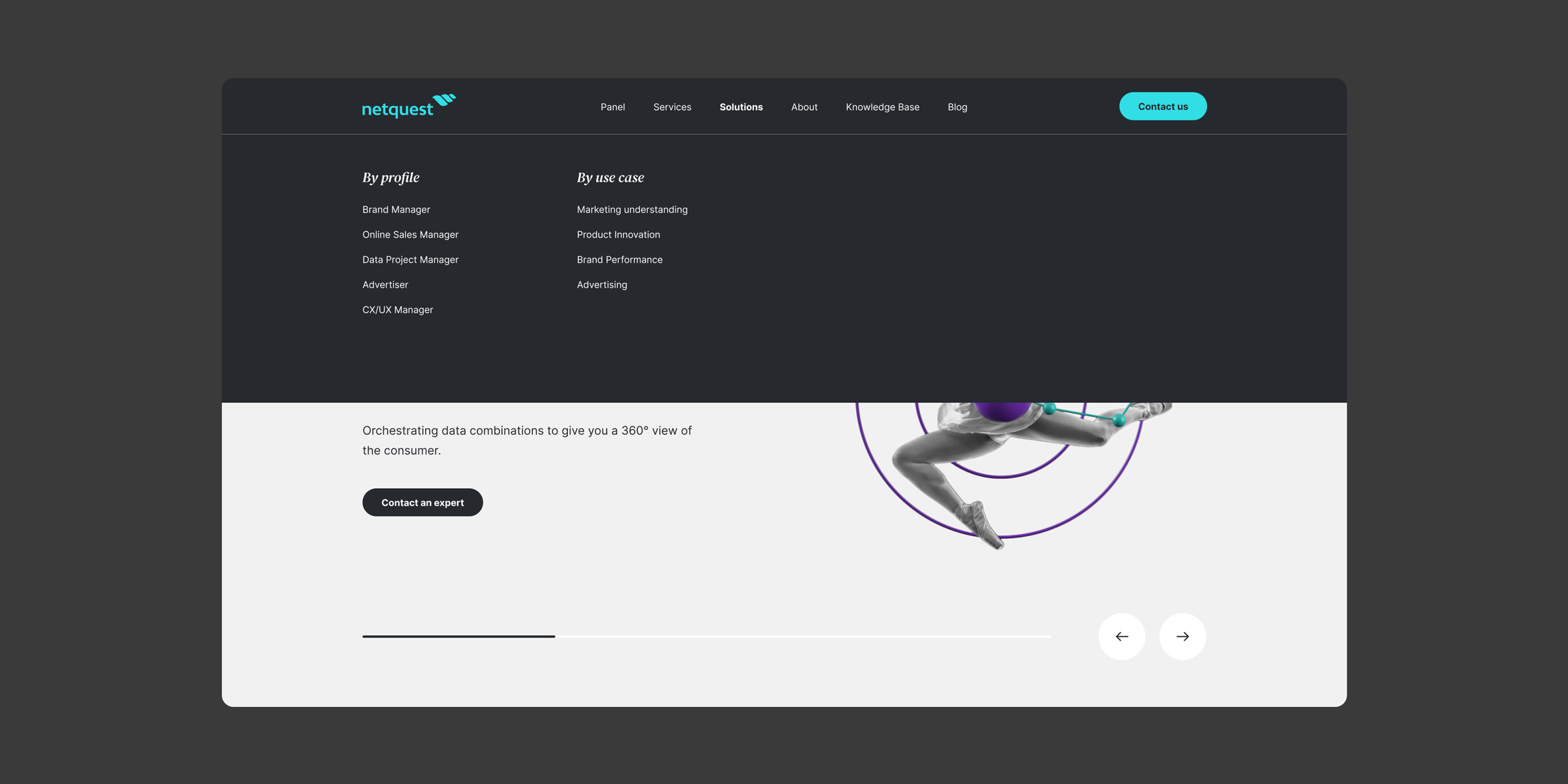
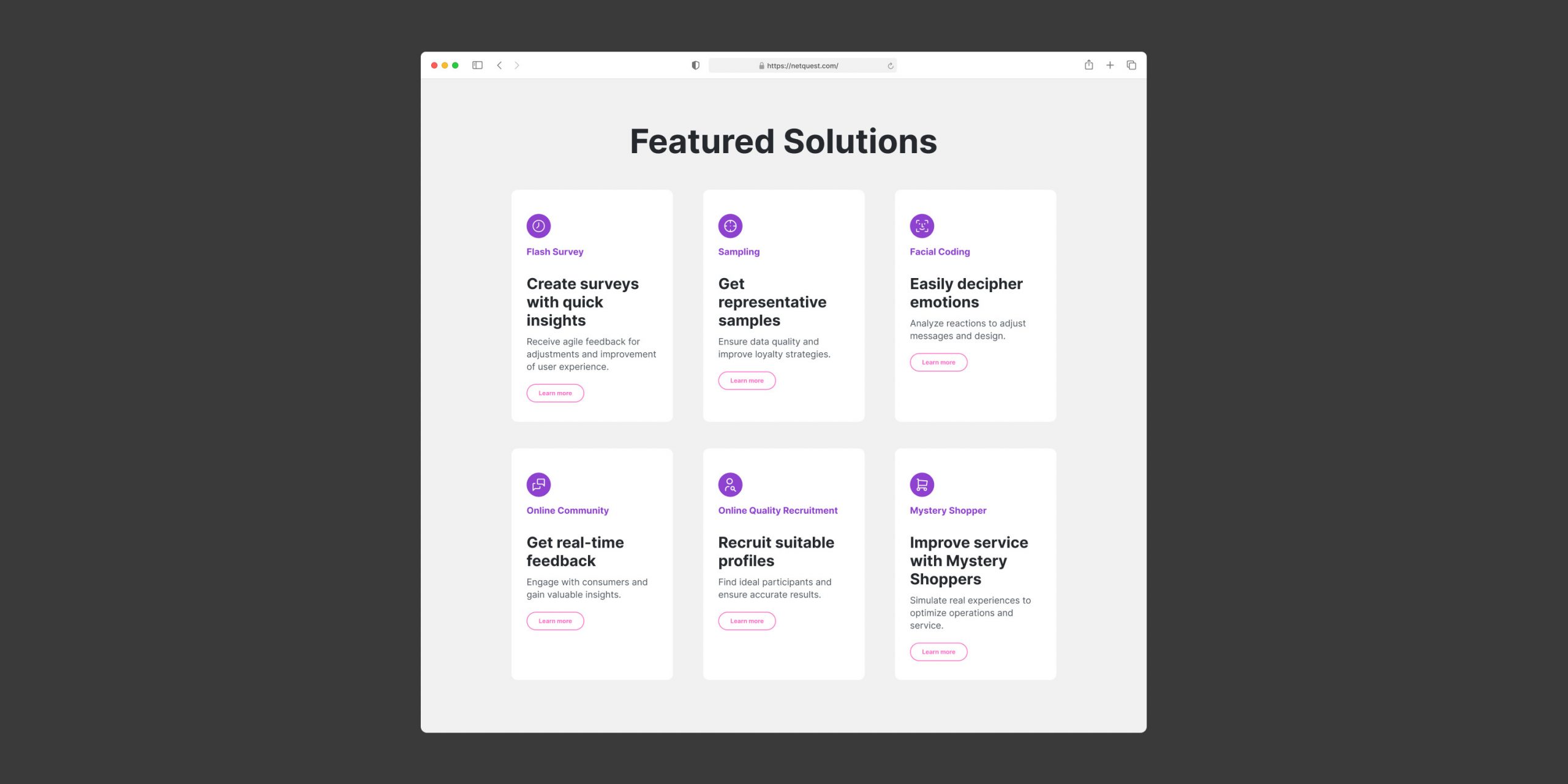
Homepage as router

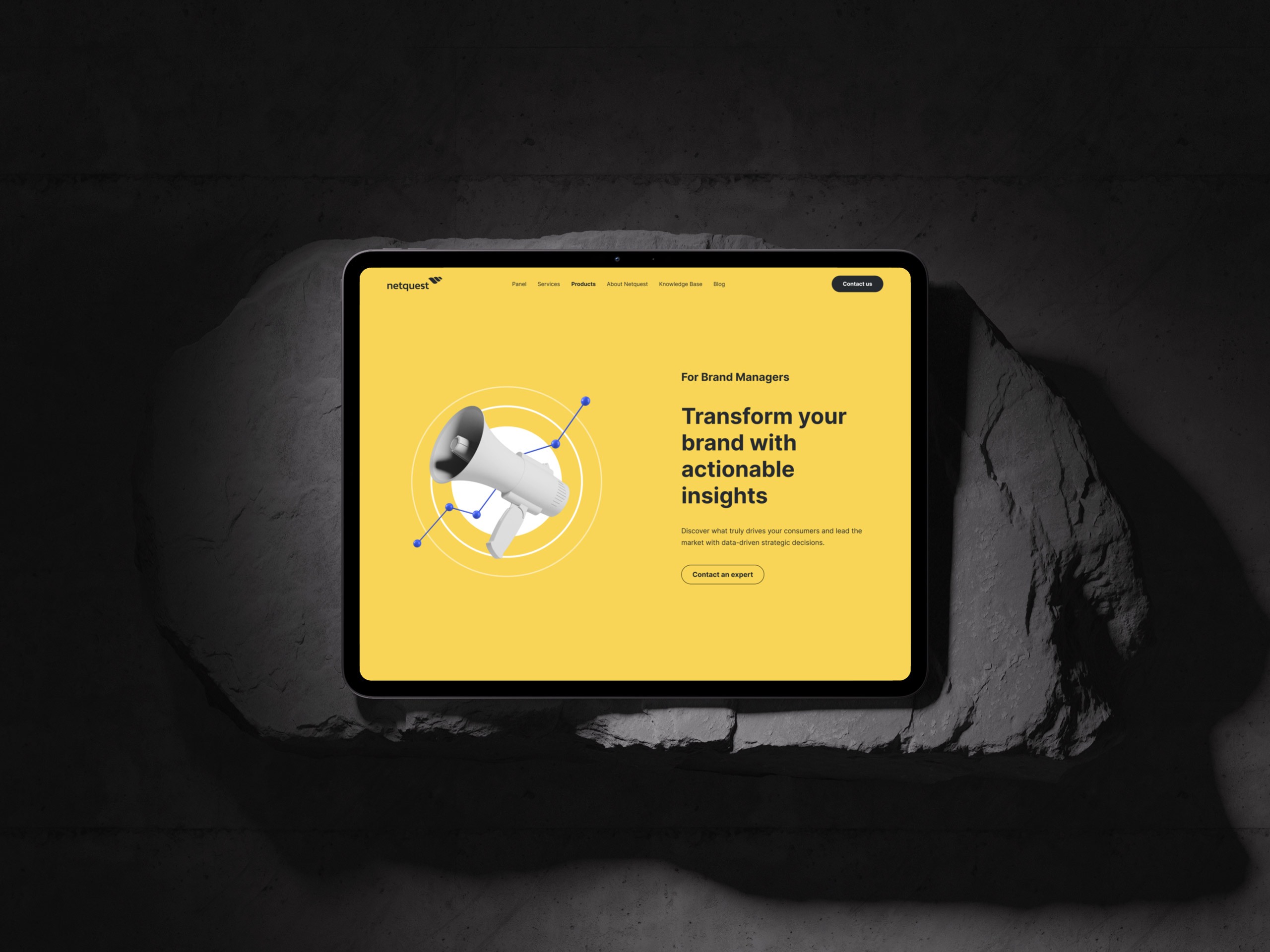
Solutions is the new front door. By Profile routes visitors based on who they are. By Use Case routes them based on what they need. Three buyer personas, three different next steps. The page sorts before it sells.
ntq-in-04b
ntq-in-07a
ntq-in-06a

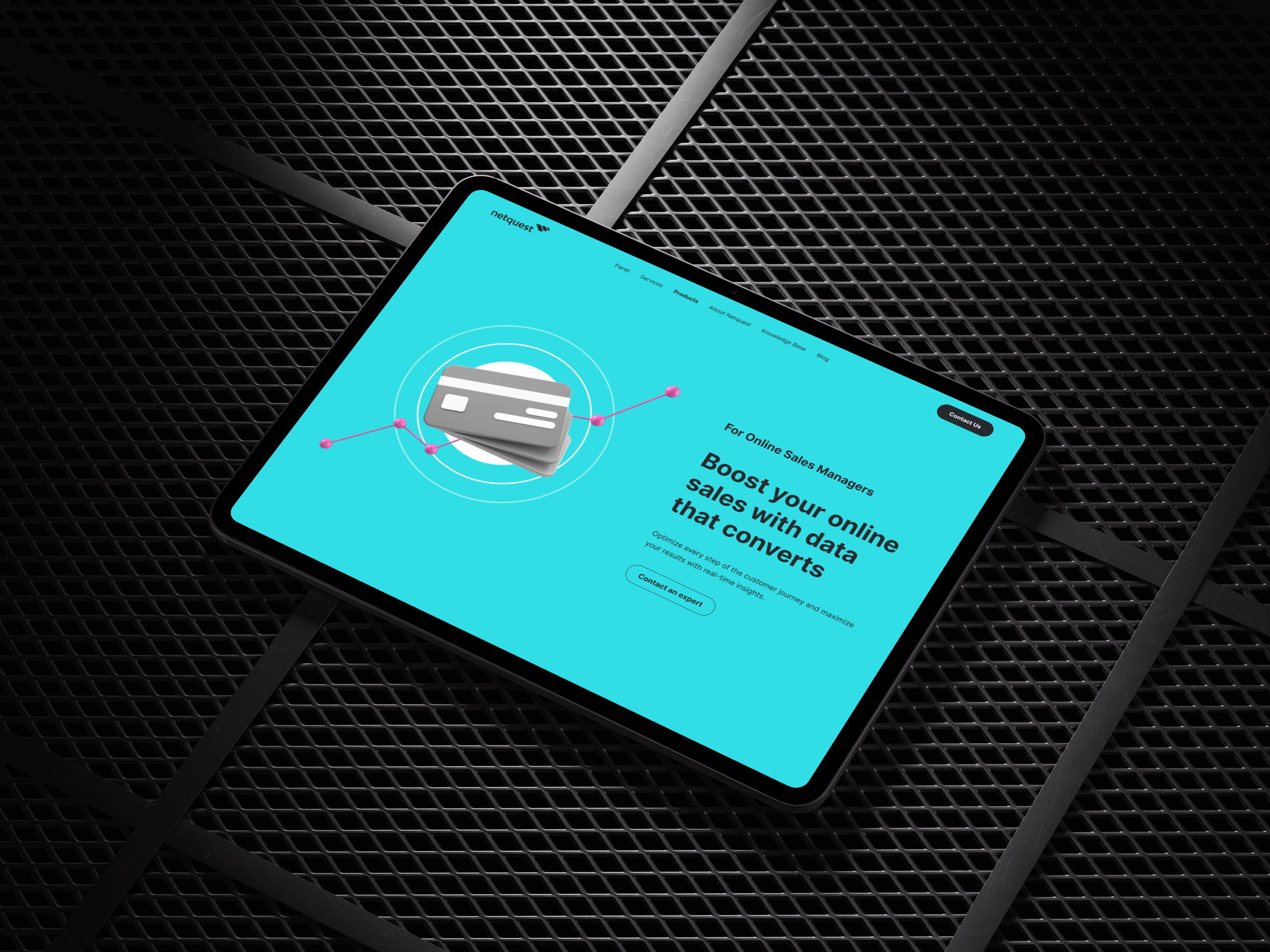
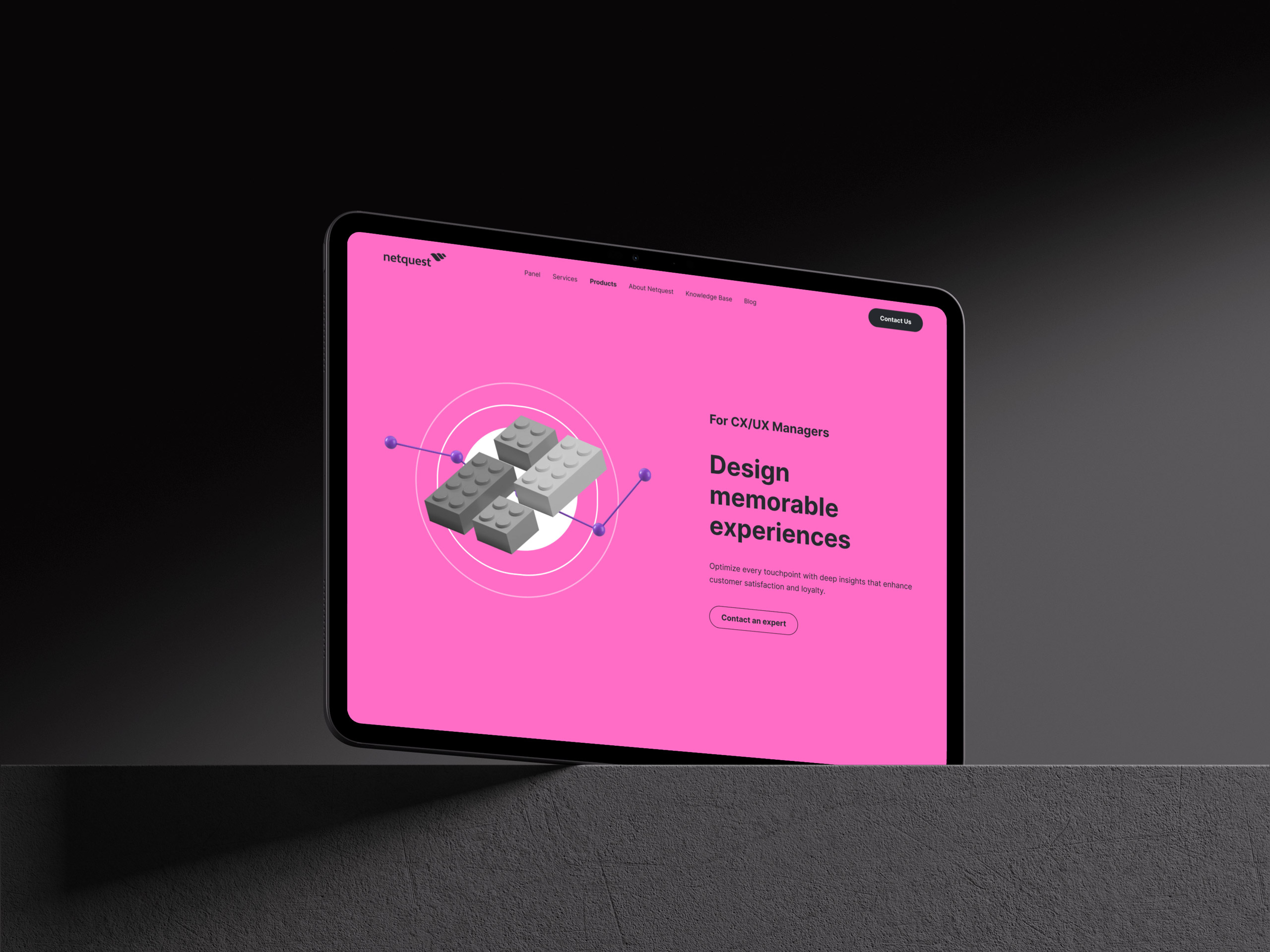
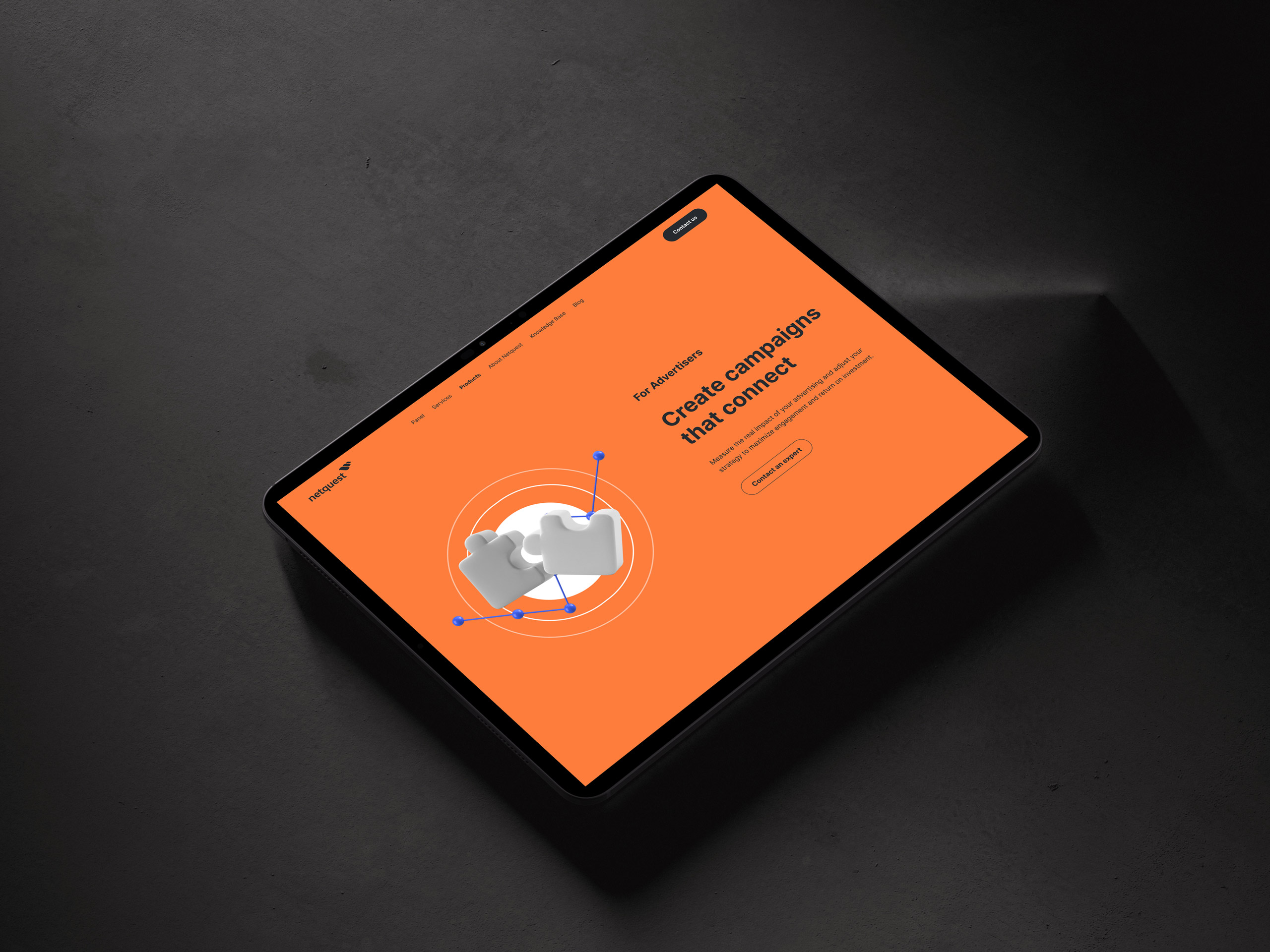
Persona and use case pages

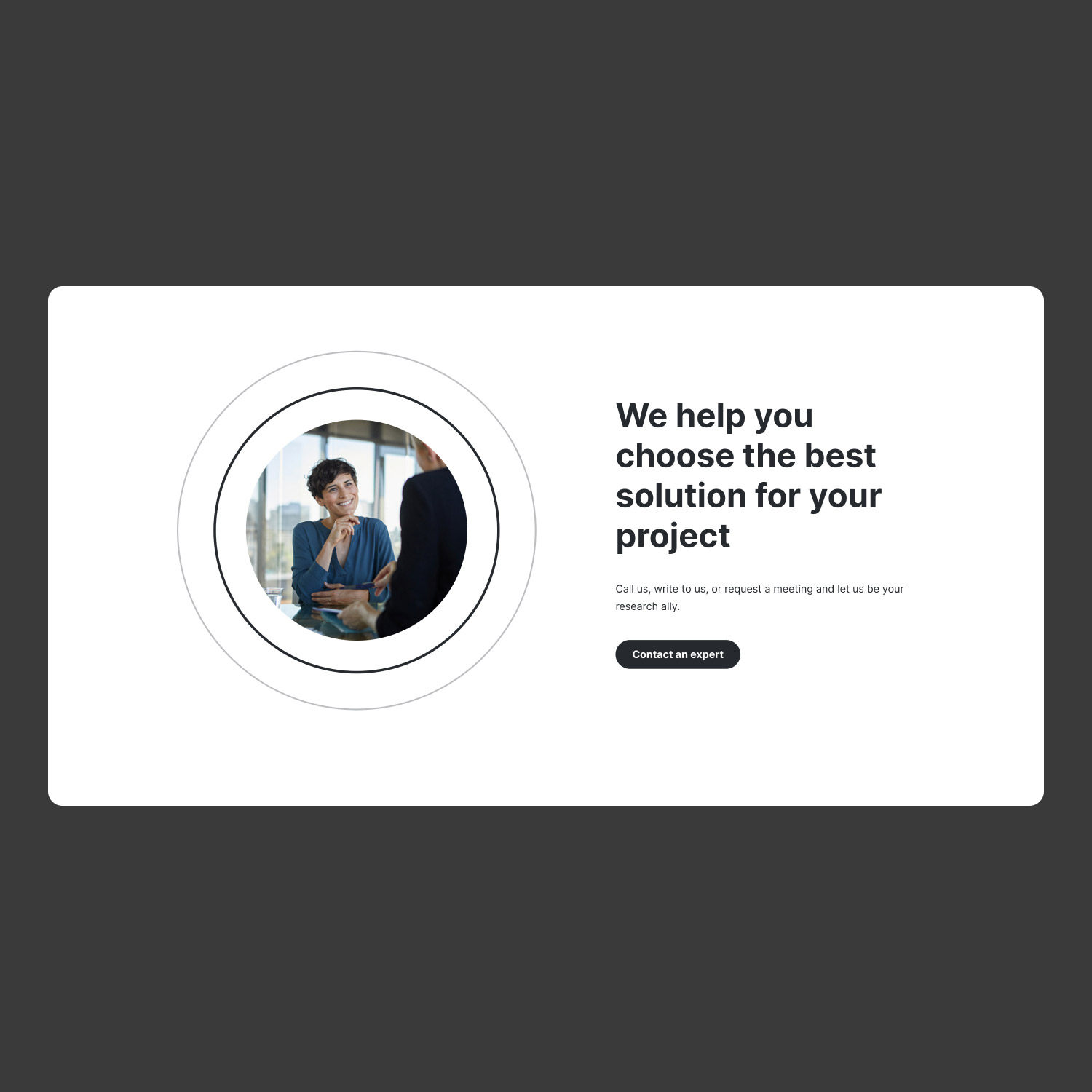
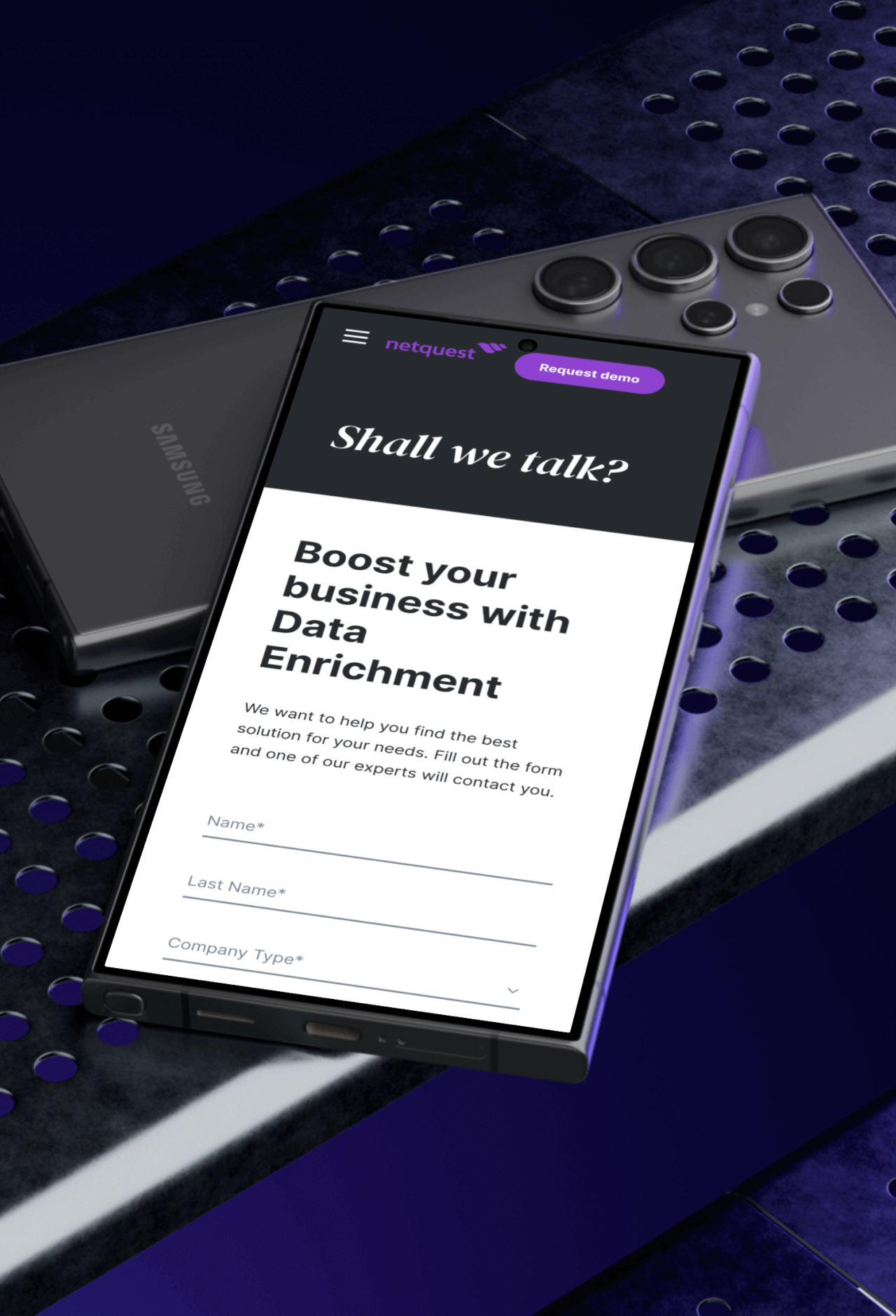
The router lands here. Each persona and use case got its own page, curating the relevant services in one view. A consultative CTA replaces the embedded form, sending the visitor to a discovery call instead of a form fill.
ntq-in-08d

Homepage iteration

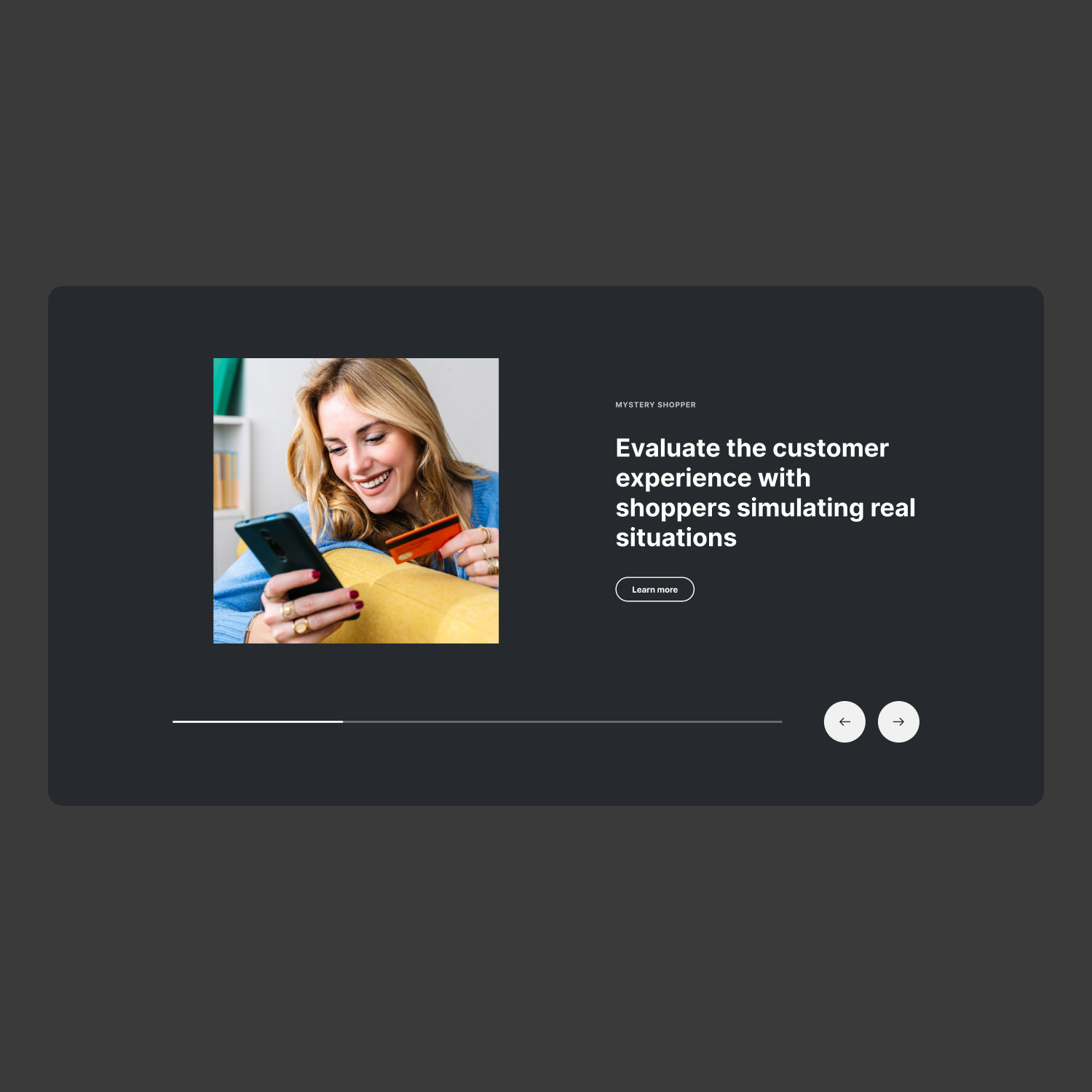
Two versions, six months apart. V1 led with the Symphony metaphor in a static hero. V2 turned the hero into a rotating carousel, giving marketing slots to spotlight new products and launches. Soluciones entered the nav. Client logos (Sony, IKEA, Falabella, Mercado Libre), panel scale evidence and a consultative CTA stacked below. 
inbound-01a
inbound-02a
ntq-in-10c

Conversion content

A library of Panel Books (Behavioral, Specialized, Global), use cases, NewsQuest editions, eBooks and webinars. Regularly updated, segmented by intent, with outcome-led download forms feeding persona email flows. Content as funnel infrastructure, not marketing collateral.
ntq-in-09

Persona email flows

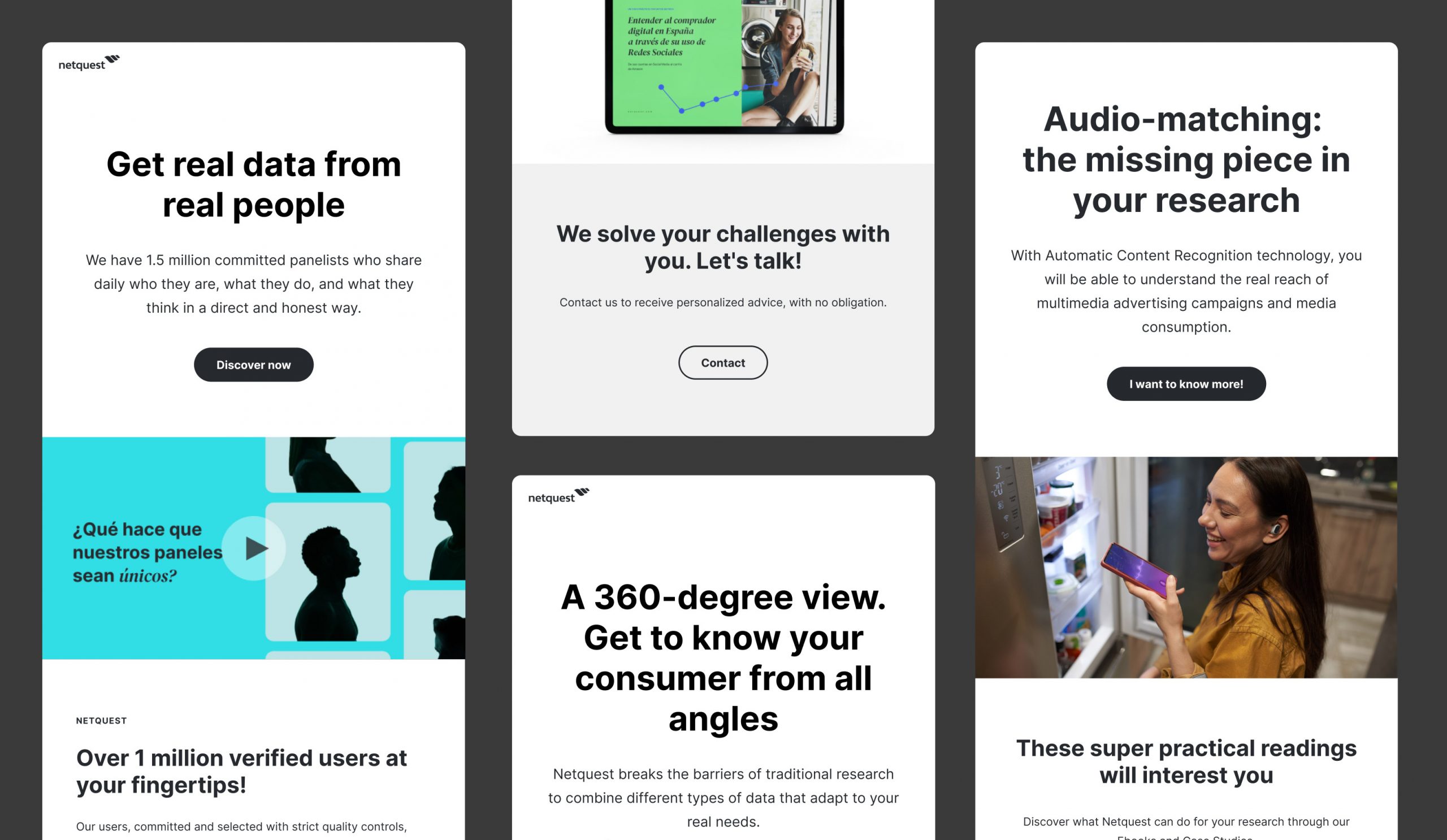
Three personas, three sequences. Katia leads with strategic insight. Sofia leads with operational evidence. Angela leads with sample quality. Architecture built once, runs across every campaign.
ntq-in-11
ntq-in-12
ntq-in-15
netquest-web-03
netquest-web-02

System underneath the engine

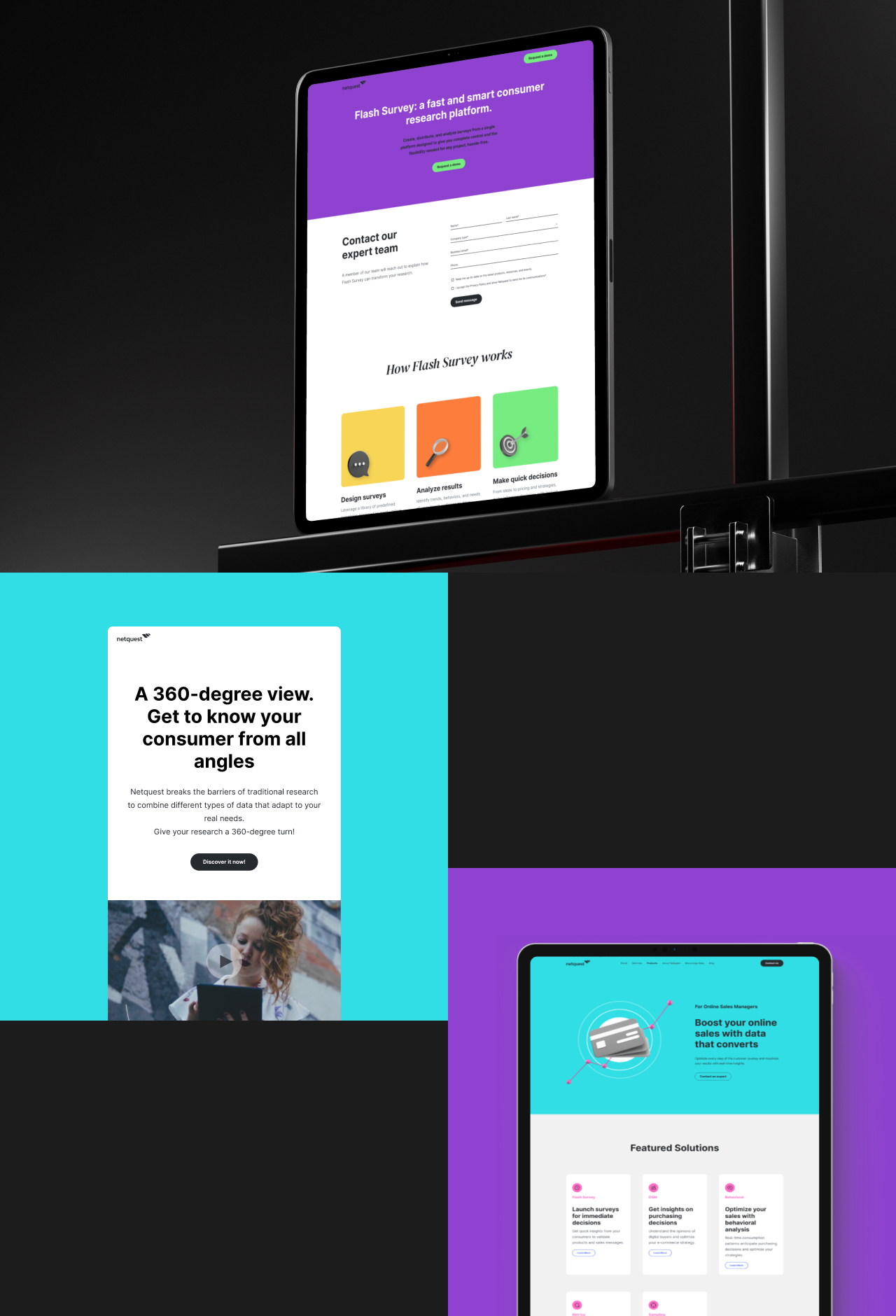
The same HubSpot-native modular system powers the inbound surface. Landing pages, persona email flows and campaign components run modular, localised across seven languages. The engine compounds on its own infrastructure.

DESIGN-DEPT.

Barcelona, Spain
Phone: +34 622 712 521
Email: fabioestellita@gmail.com
Linkedin: /in/fabioestellita/

Copyright © 2026 DESIGN DEPT. 

All rights reserved.

Back to top Arrow