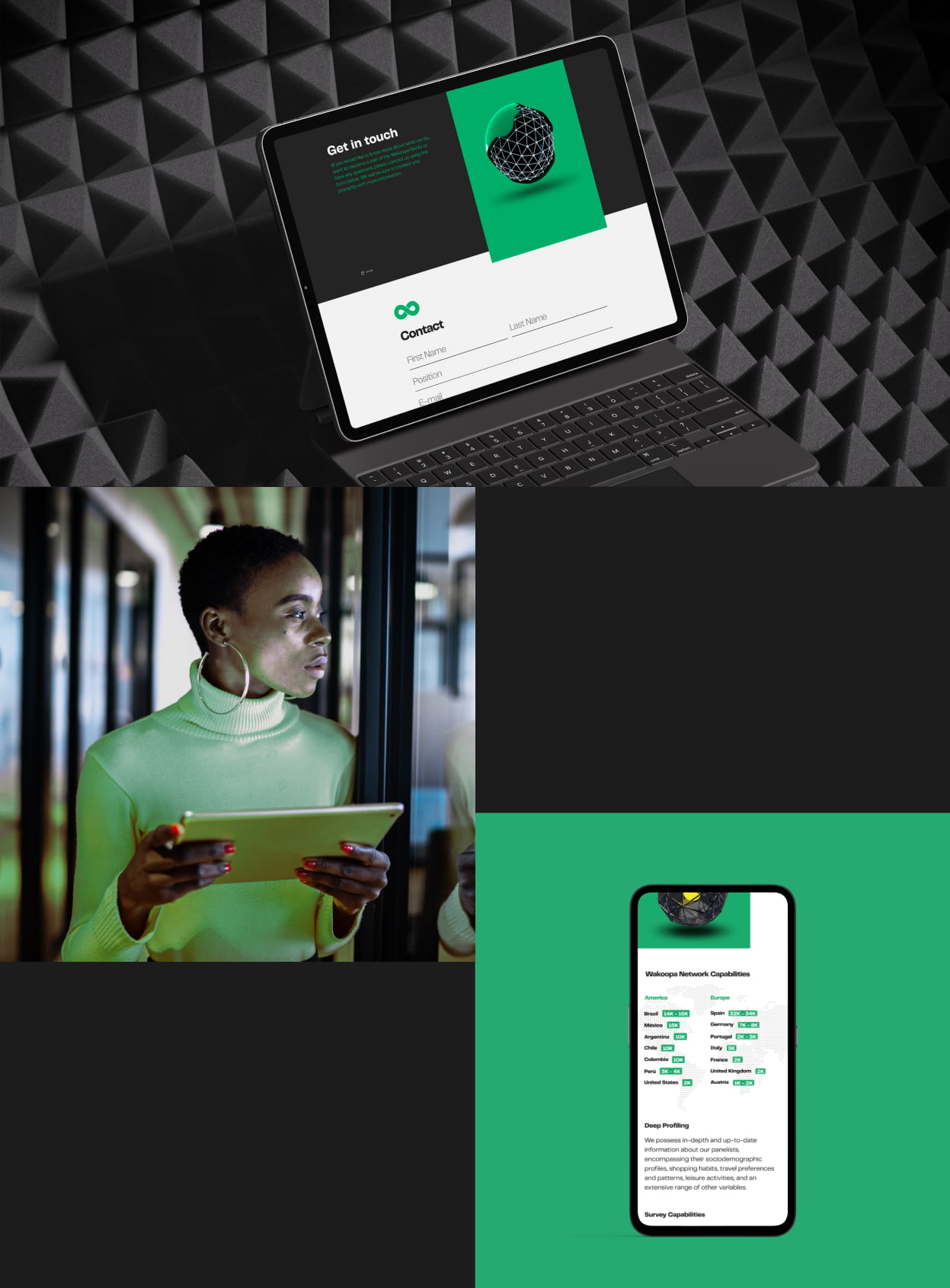
Wakoopa-header-mobile-01
header-wakoopa

Repositioning Wakoopa as a specialist in passive metering through brand and digital experience

Brand & Digital Experience Identity · Web · Platform · B2B 

Context

Wakoopa builds passive metering software, it tracks digital behaviour across devices for research panels and brands. The product had grown a lot, but the brand and website hadn't. Everything still looked like an earlier, smaller version of the company.

My role

Design Lead
Creative Direction, Brand Identity, and Digital Experience. I owned the visual system and website redesign.

Team
UXUI Designer Fran Cabeza and working closely with Product, Engineering, and Marketing across the full project lifecycle.

wakoopa-01
wakoopa-02

The problem


User problem
The site wasn't built for any specific buyer. Panel operators and brand-side clients landed in the same experience, with the same navigation, the same content. Neither felt like it was written for them.

Business problem
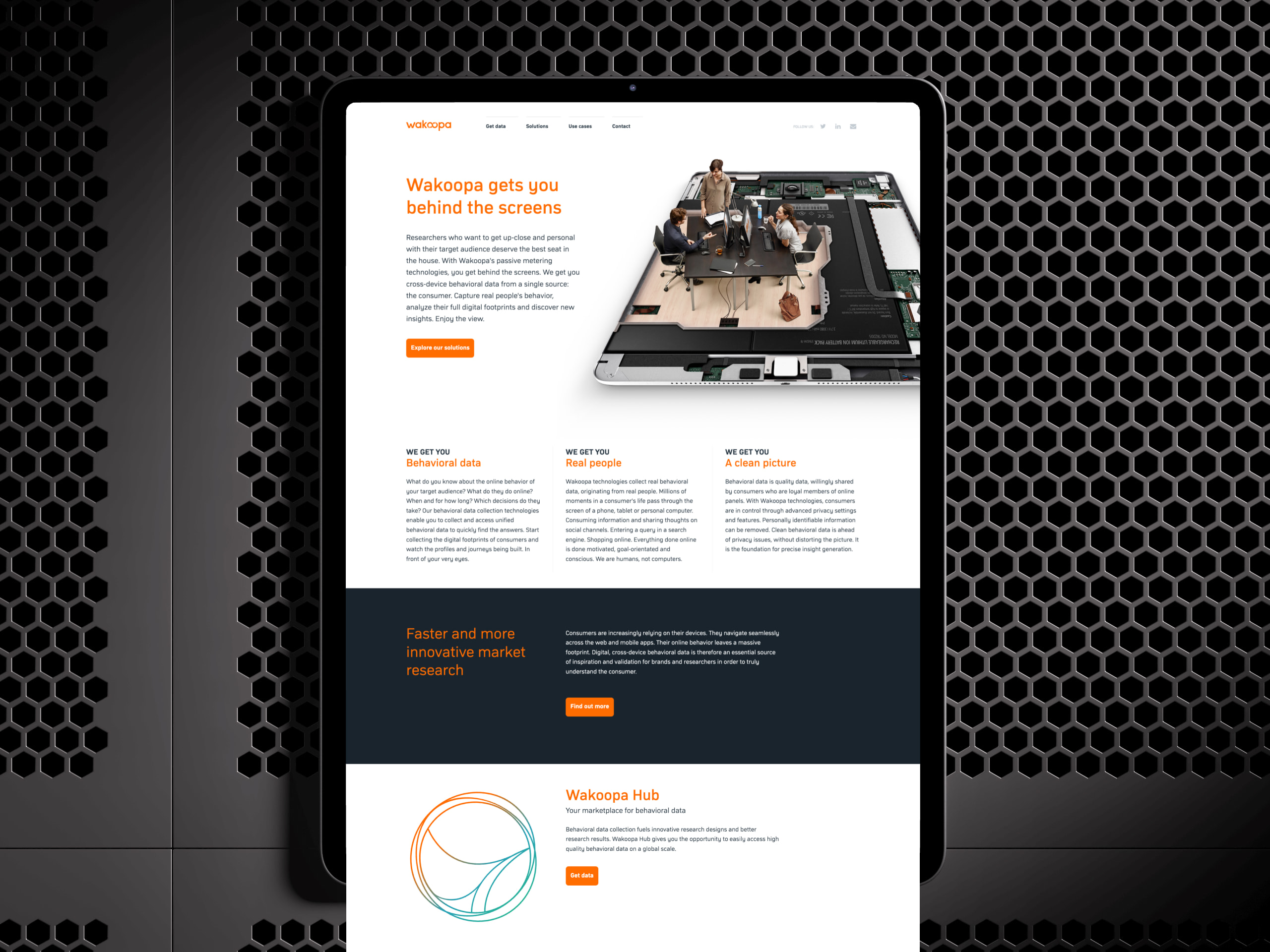
The identity was outdated. Orange, white, generic stock photography — nothing communicated that Wakoopa was a specialist. As the audience grew beyond technical researchers, the gap between the product and how it looked became a real problem.

wakoopa-before wakoopa-after

Impact

The site went from one generic experience to two focused ones — each built around a specific buyer, their language, and their conversion path.

3x Web views in the first year after the rebrand, growing from ~1K in Q3 2022 to a peak of 4.2K in Q2 2023.

0.24% Improvement in page-to-form conversion during 2023, the first measurable signal the new structure was working.

Wakoopa-03
Wakoopa-04

Why this approach

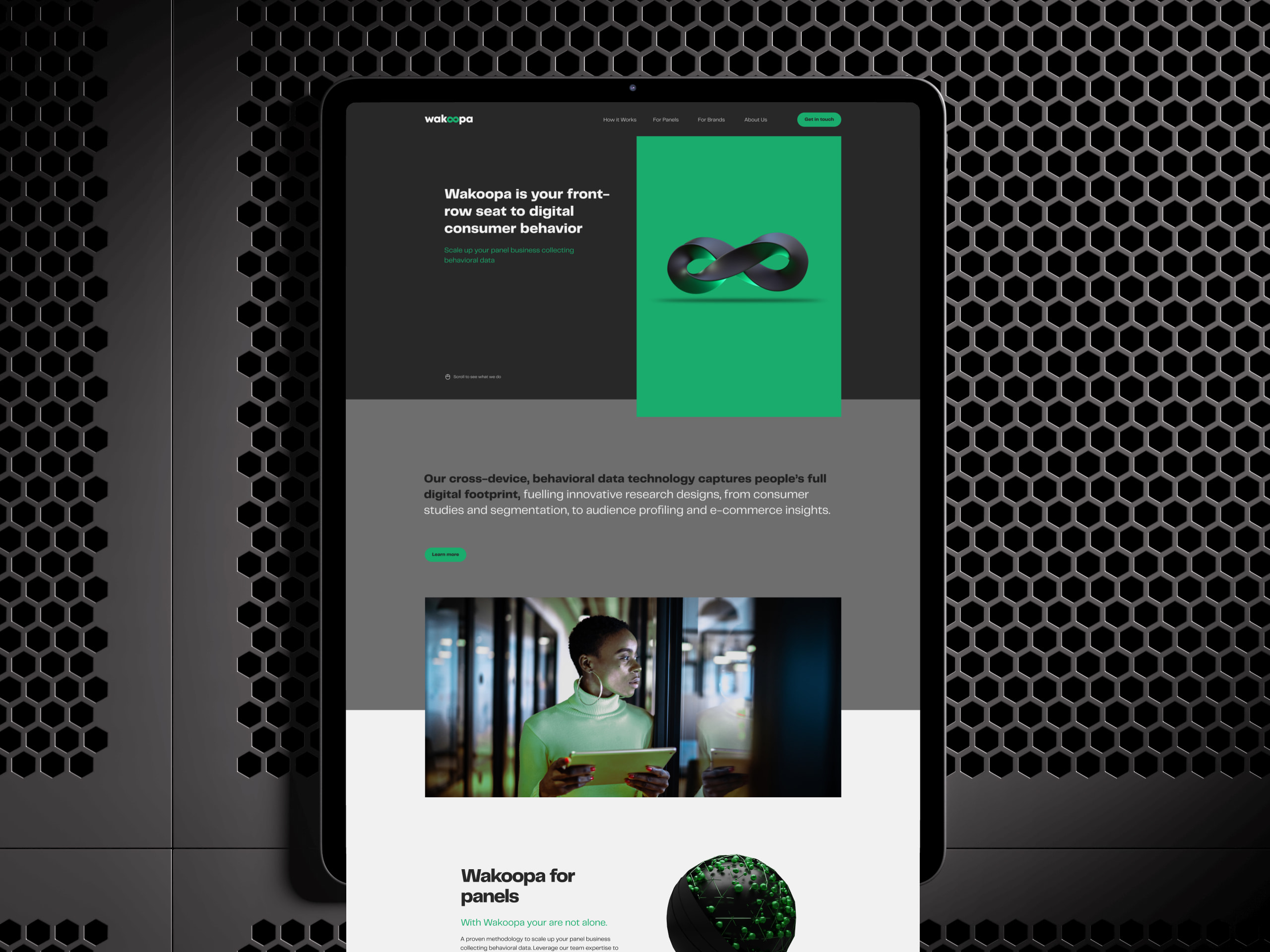
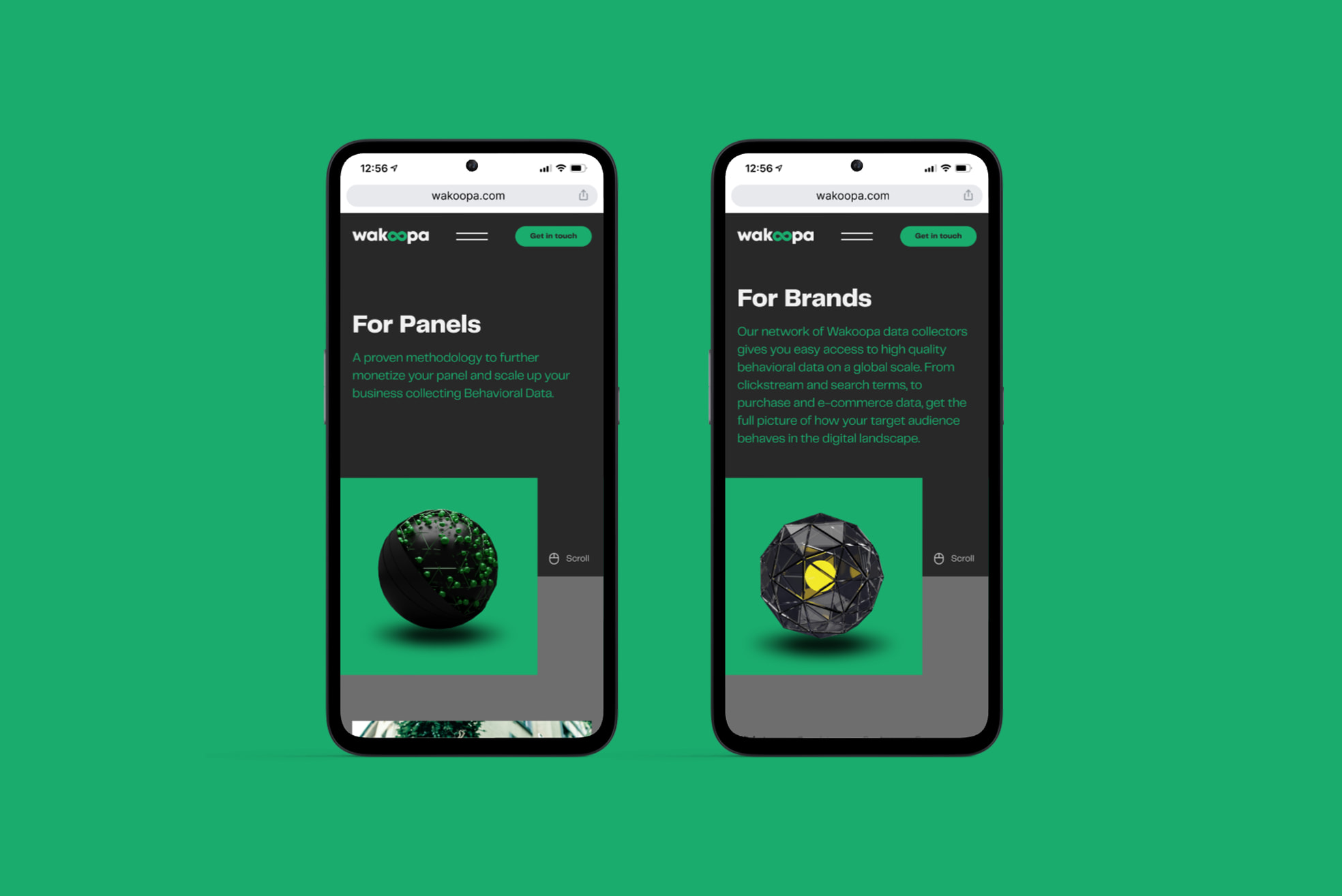
The old site had one real problem: it tried to speak to everyone at once. Panel operators and brand buyers landed in the same experience, with the same navigation, the same copy, the same CTAs. Splitting into For Panels and For Brands was the most important structural decision — everything else followed from it. 

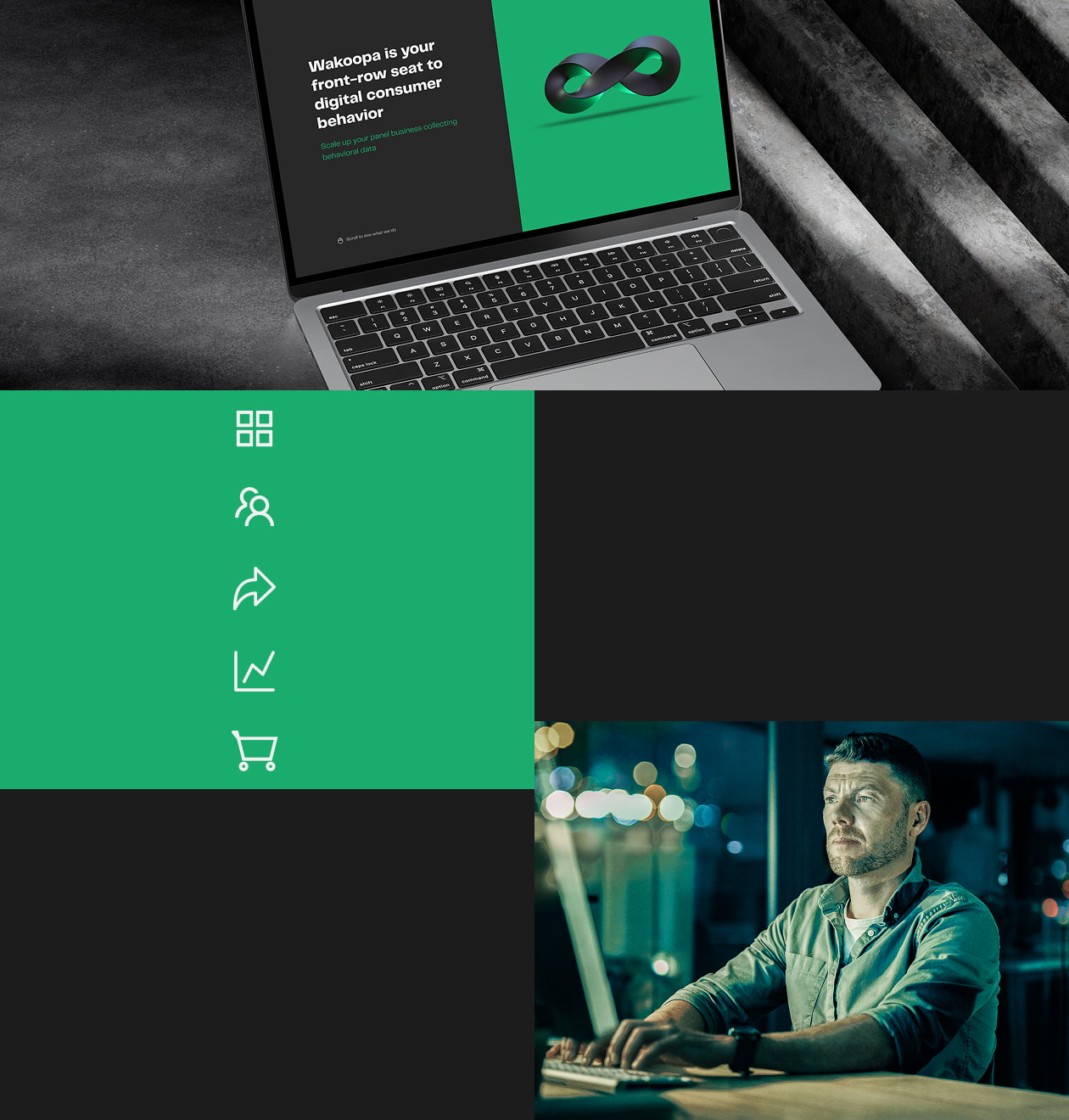
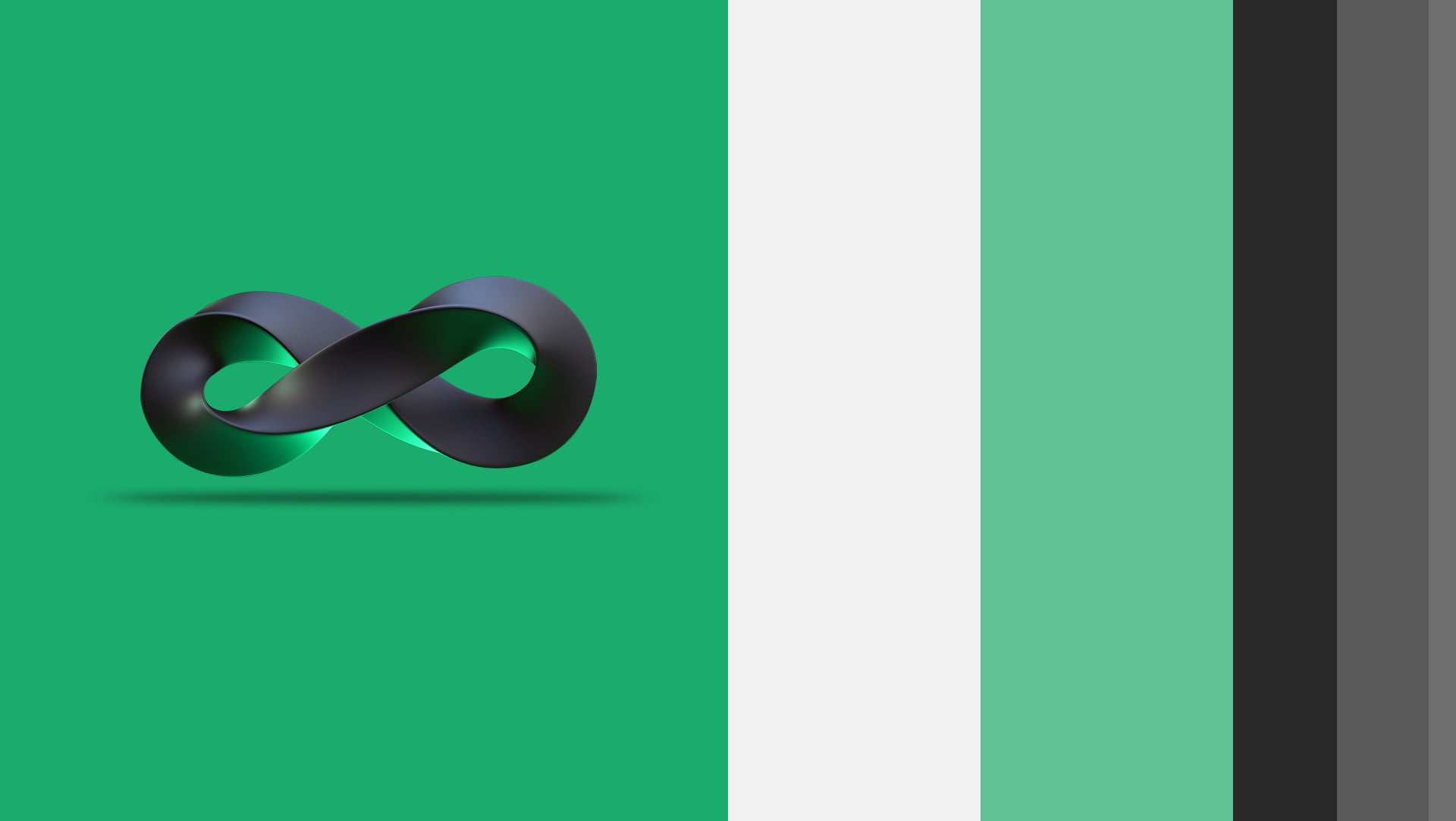
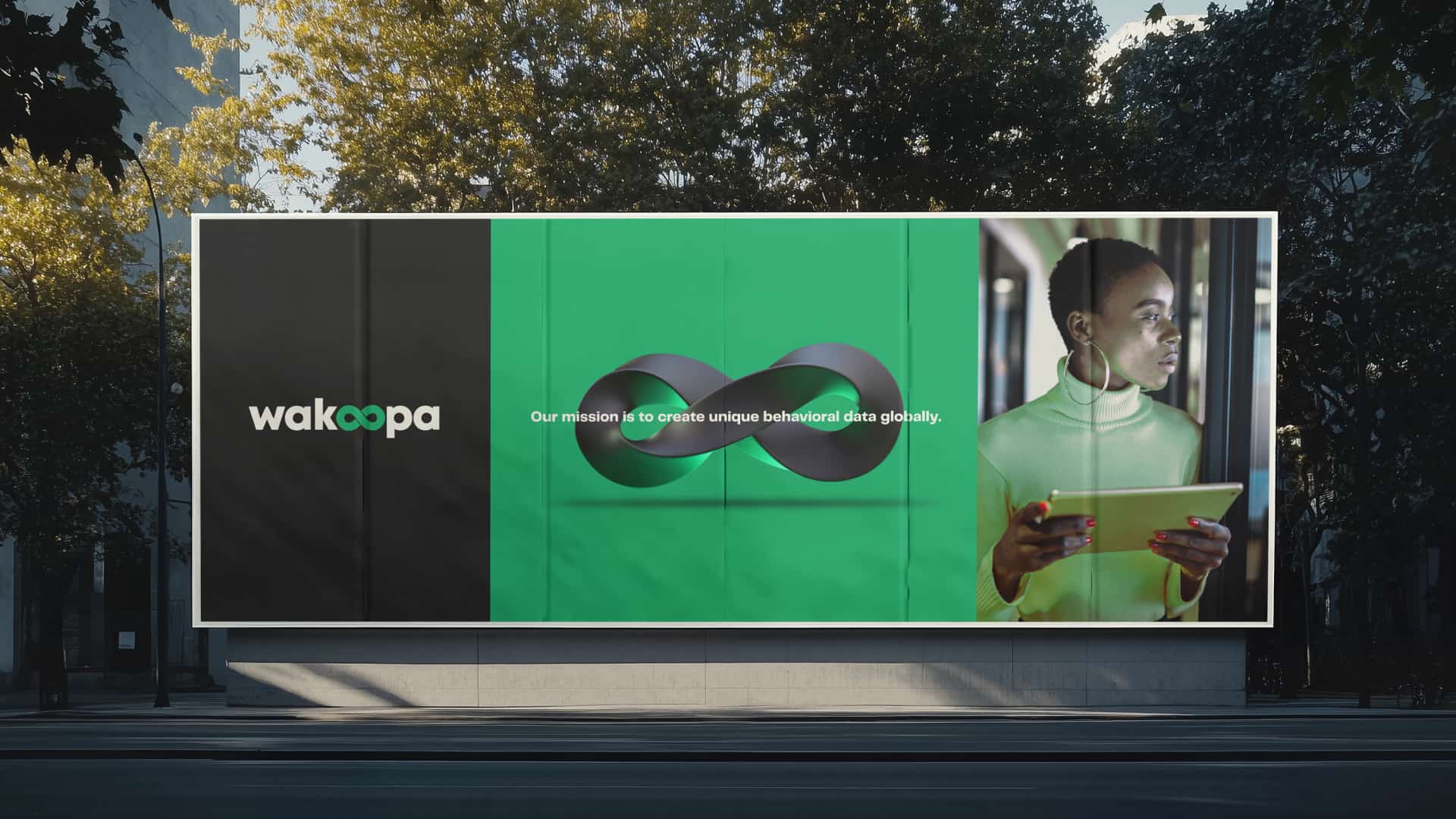
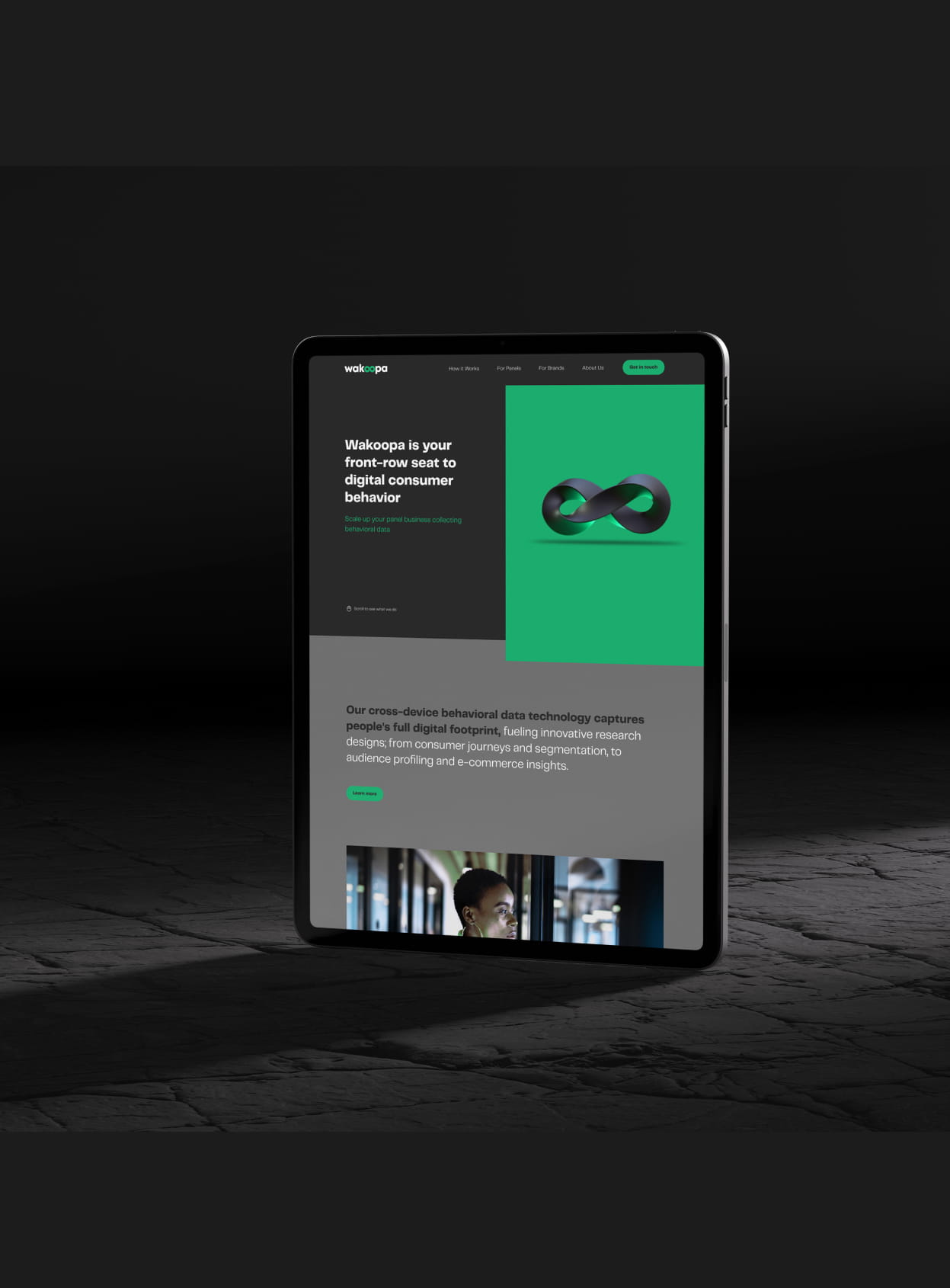
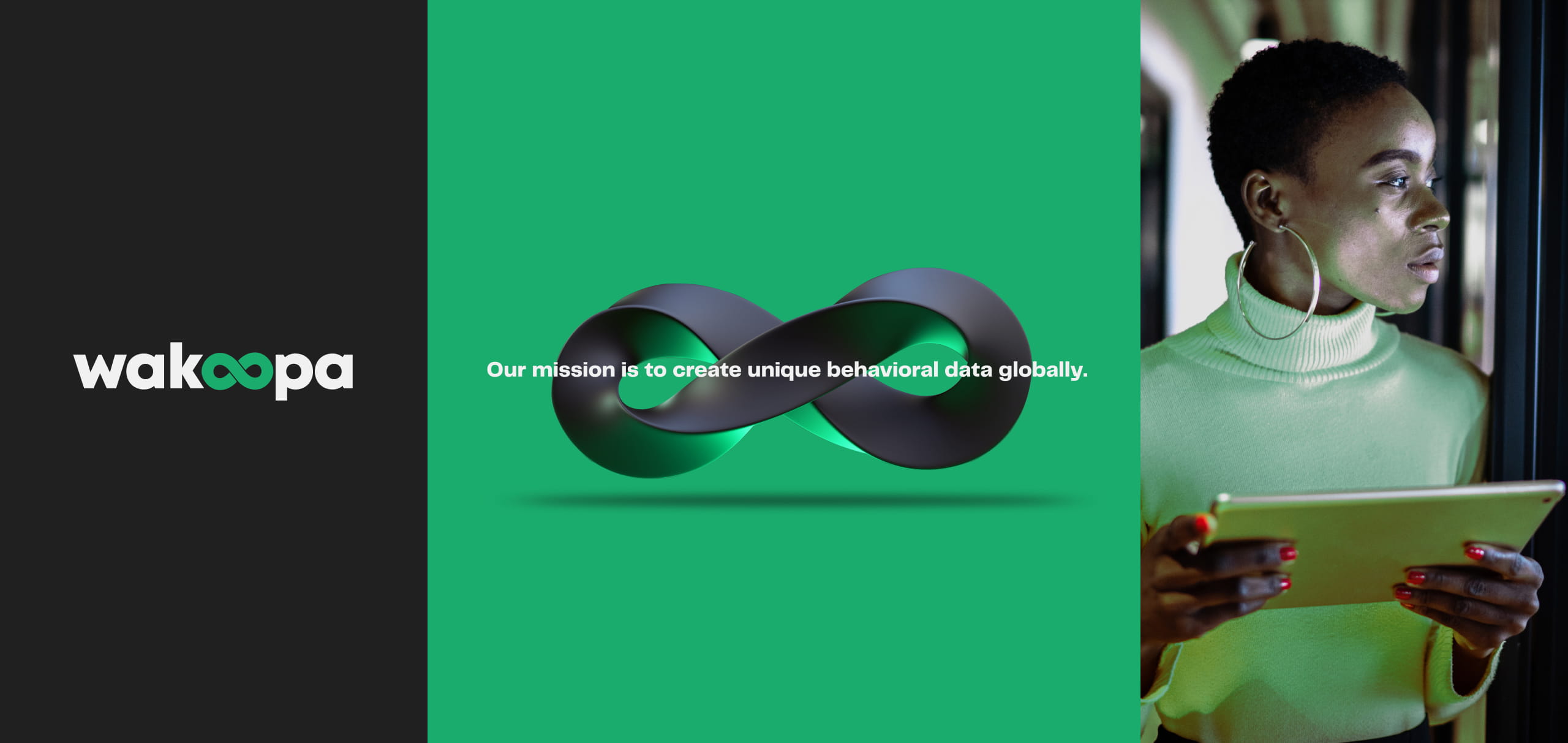
The visual language needed the same clarity. The old hero — a team sitting inside an exploded laptop — was creative but pulled attention away from the headline. The infinity mark replaced it with something that did positioning work instead of entertainment work.

The dark/green palette wasn't a style choice. The old orange signalled accessibility. The product had grown into something that needed to signal expertise.

Wakoopa-08
Wakoopa-07

Trade-offs & Constraints

The old site had more product-level detail — feature lists, platform specs, industry certifications. The new direction traded some of that for a stronger first impression. That was intentional. The brand needed to earn attention before earning trust through detail.

The platform work was scoped to UX improvements within the existing infrastructure — not a full rebuild.

Execution

Research & Positioning
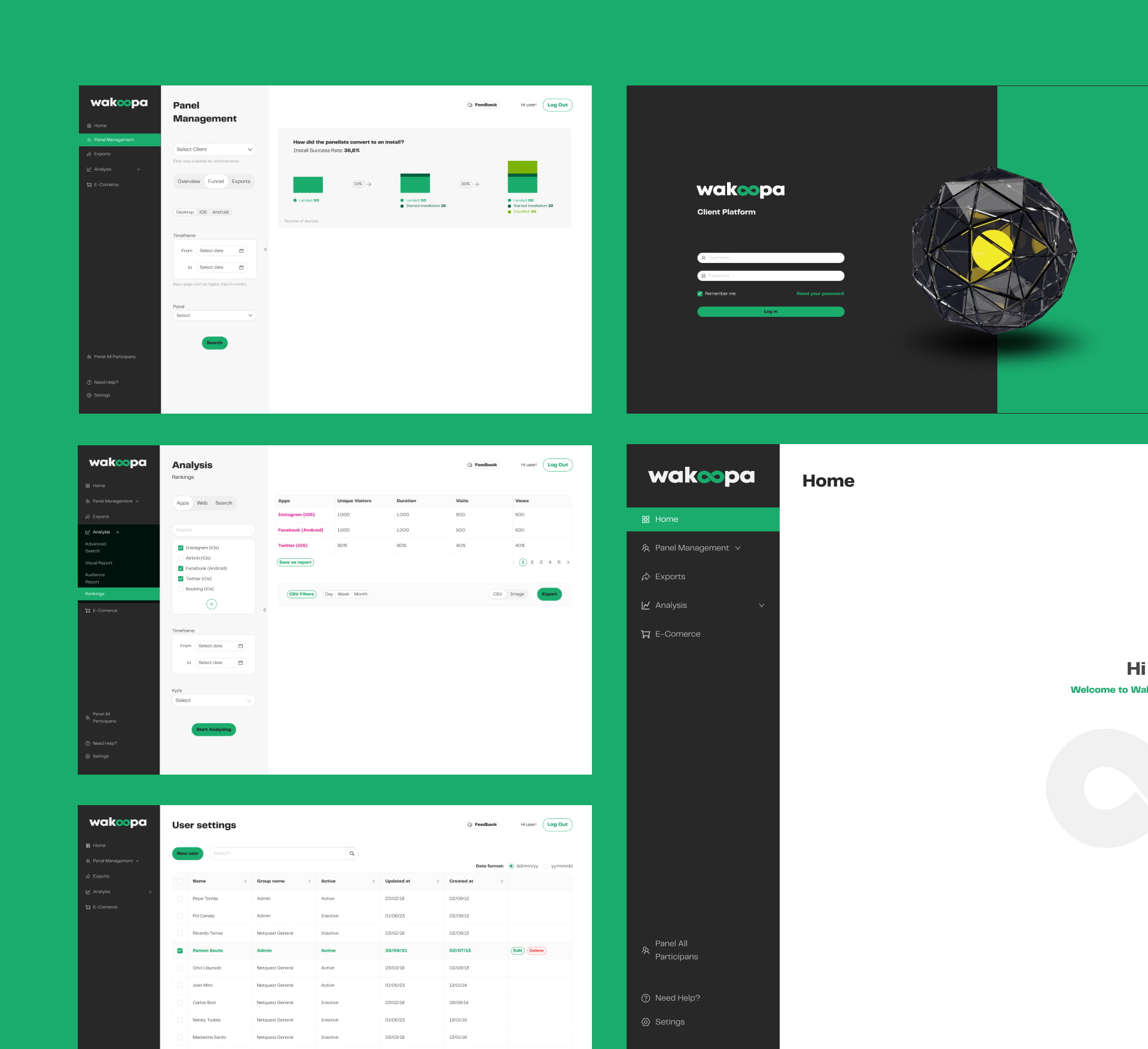
Analysed the existing brand and mapped user journeys on the client platform to find where things broke down.

Brand System
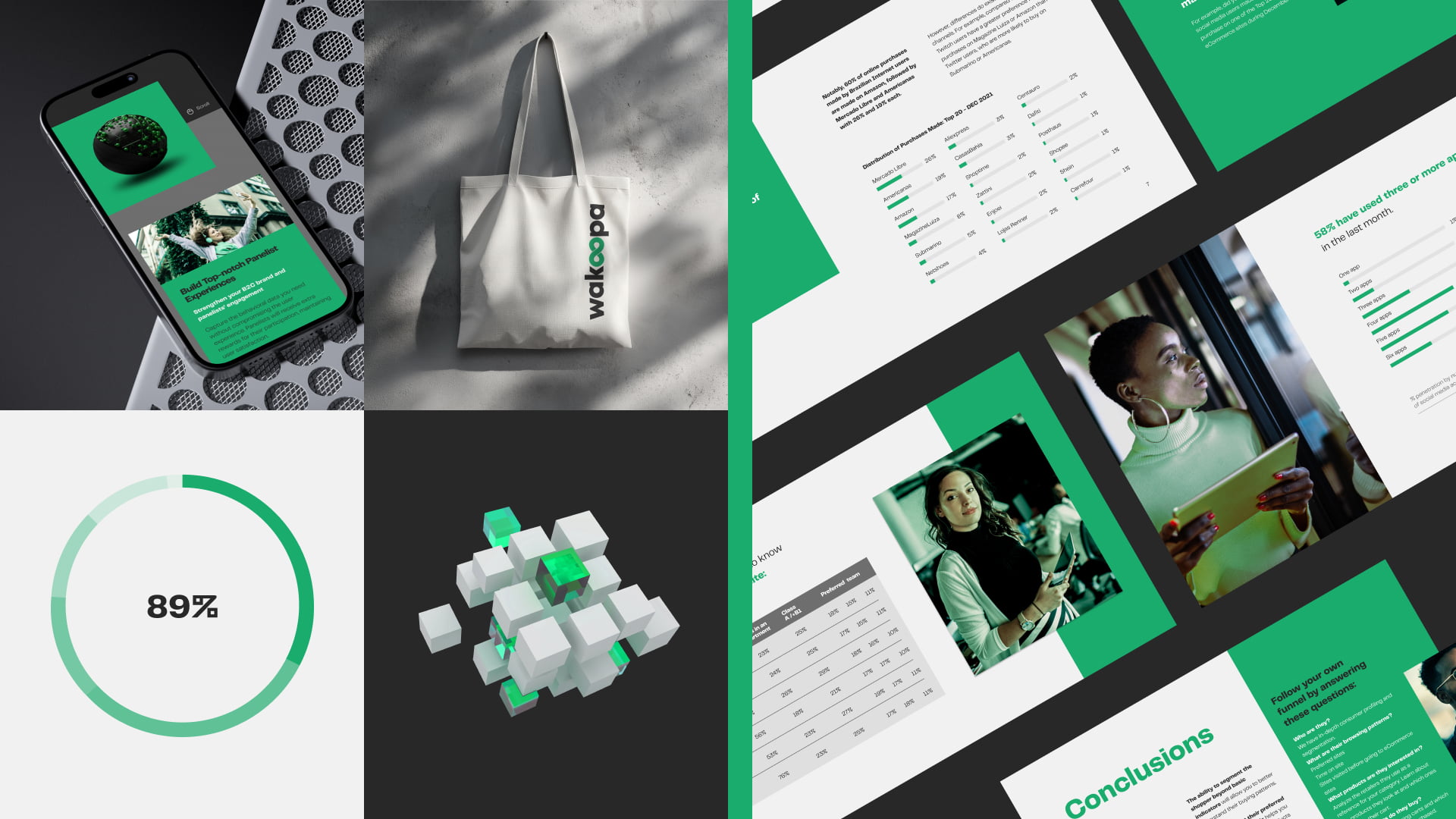
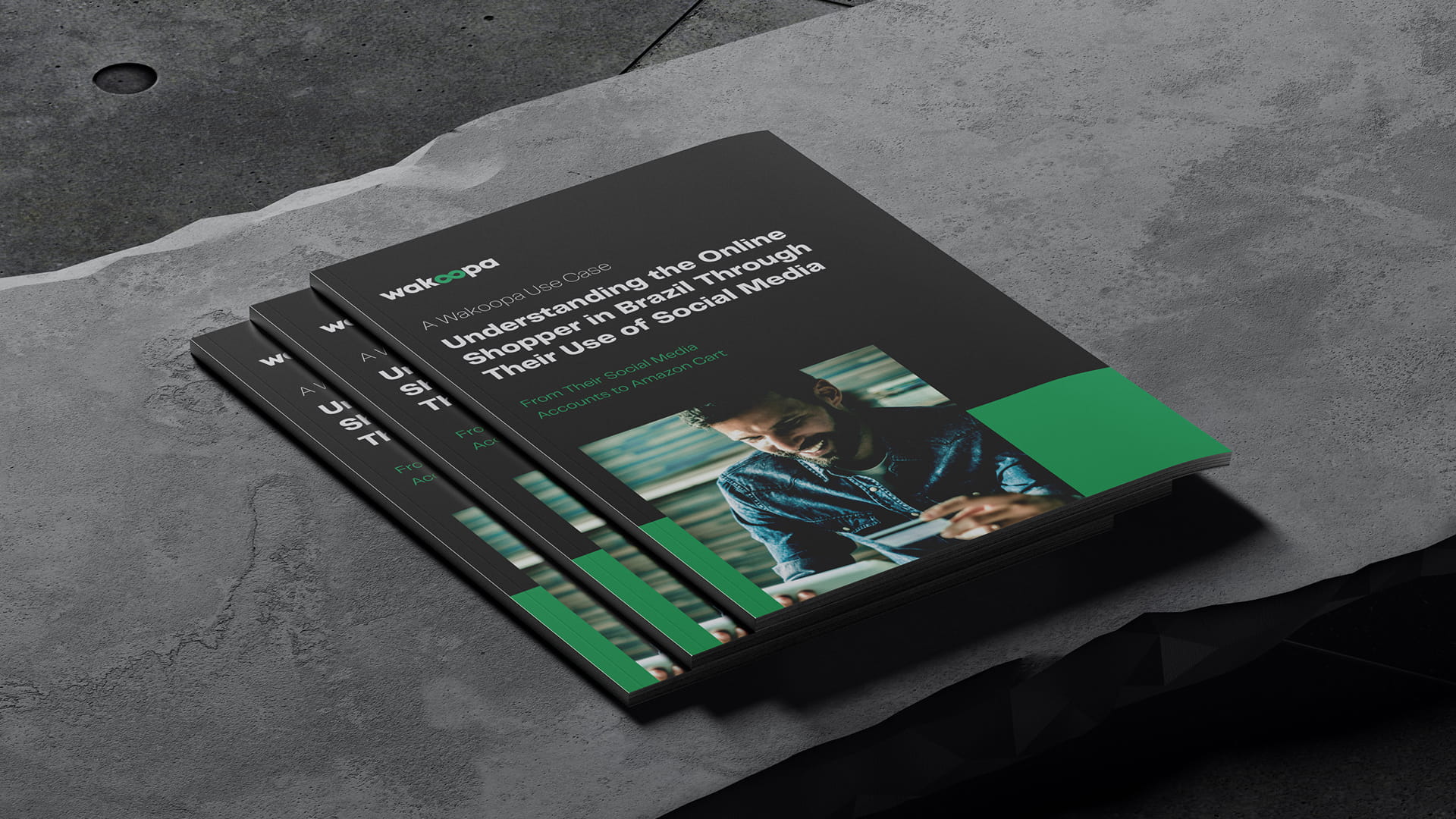
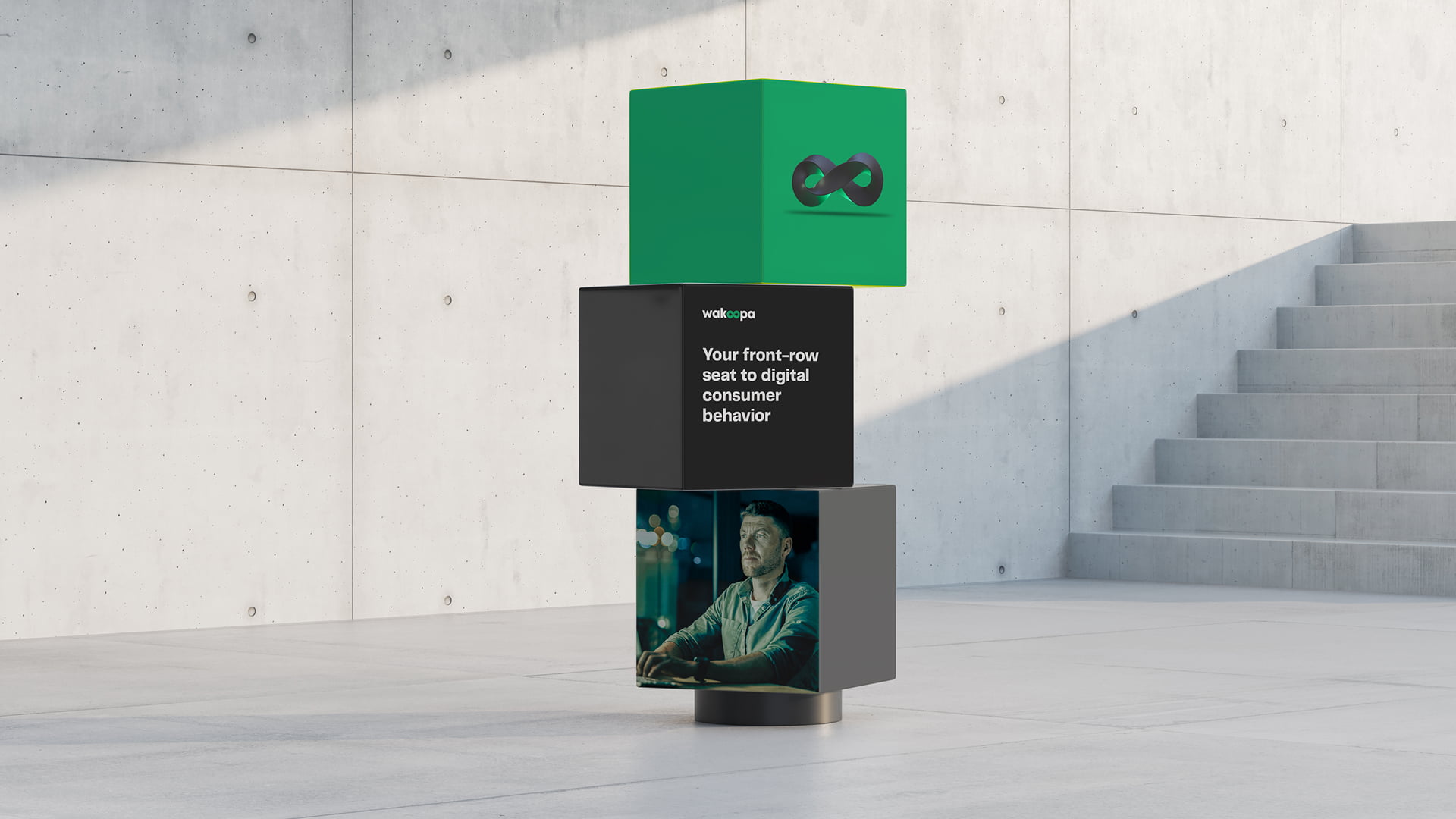
New identity: refined wordmark, infinity mark as a standalone icon, dark/green colour system, new photography direction.

Website Redesign
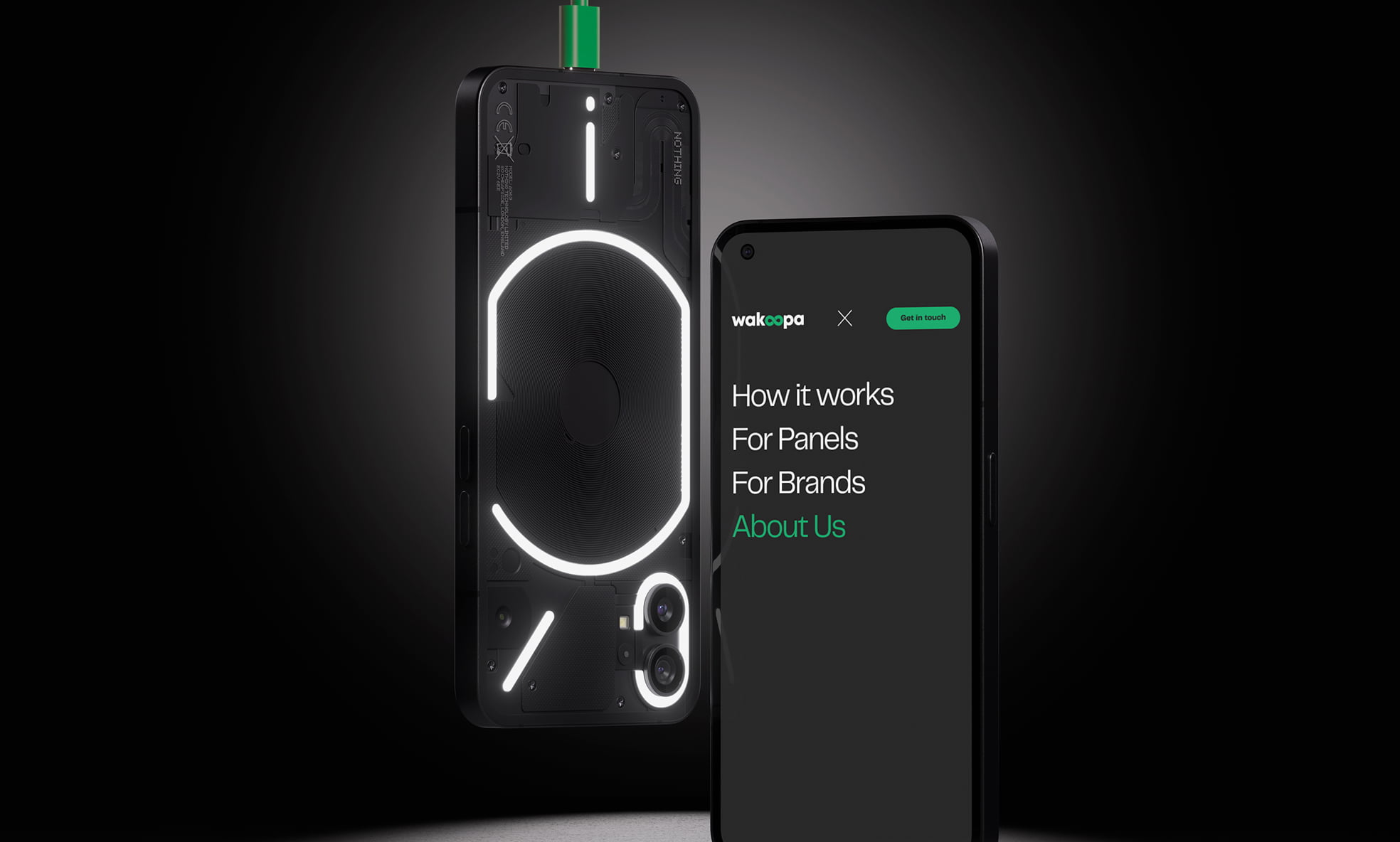
Rebuilt navigation around two buyer types. Rewrote copy for each. Restructured page hierarchy and CTAs.

Platform UX
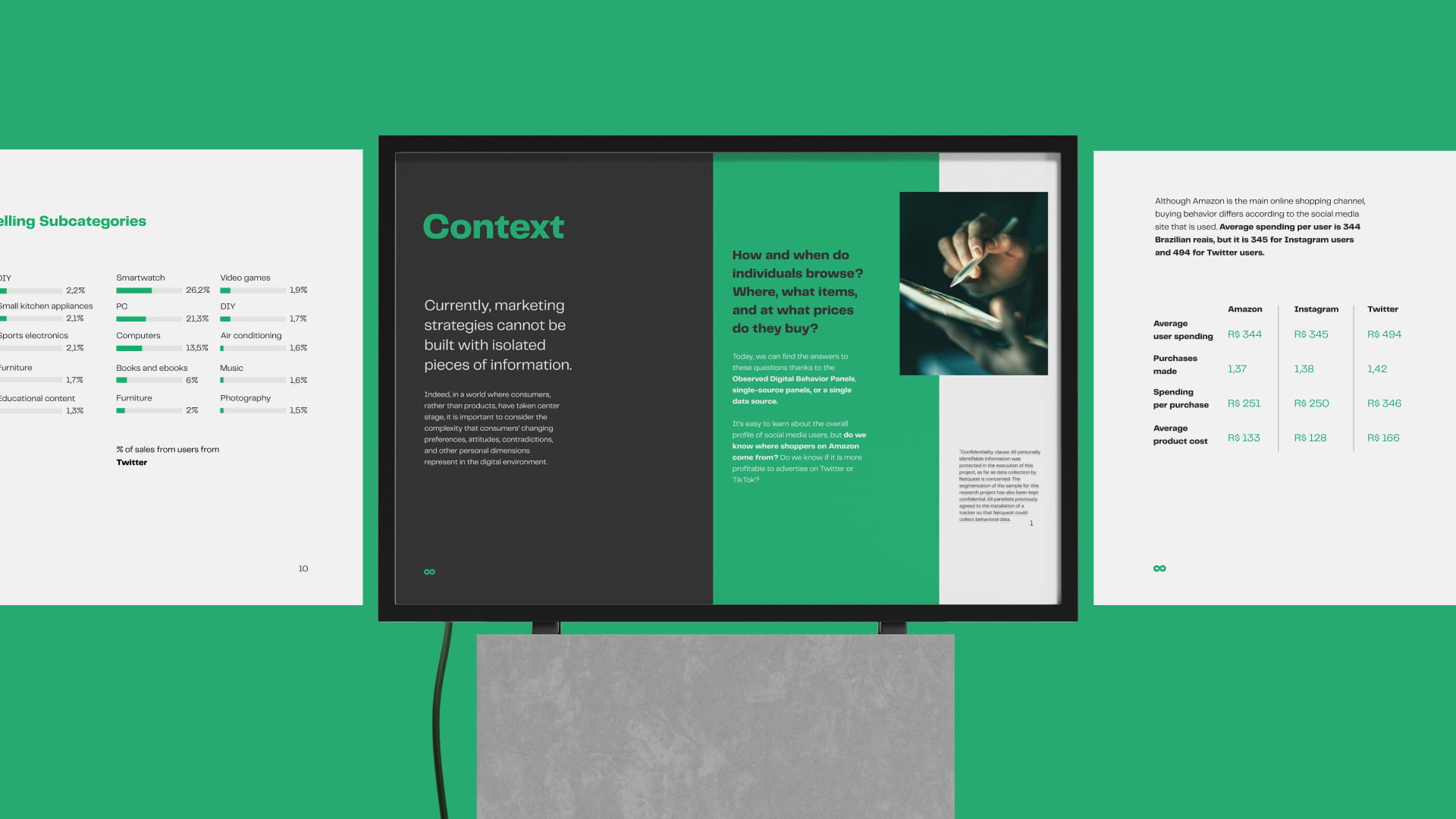
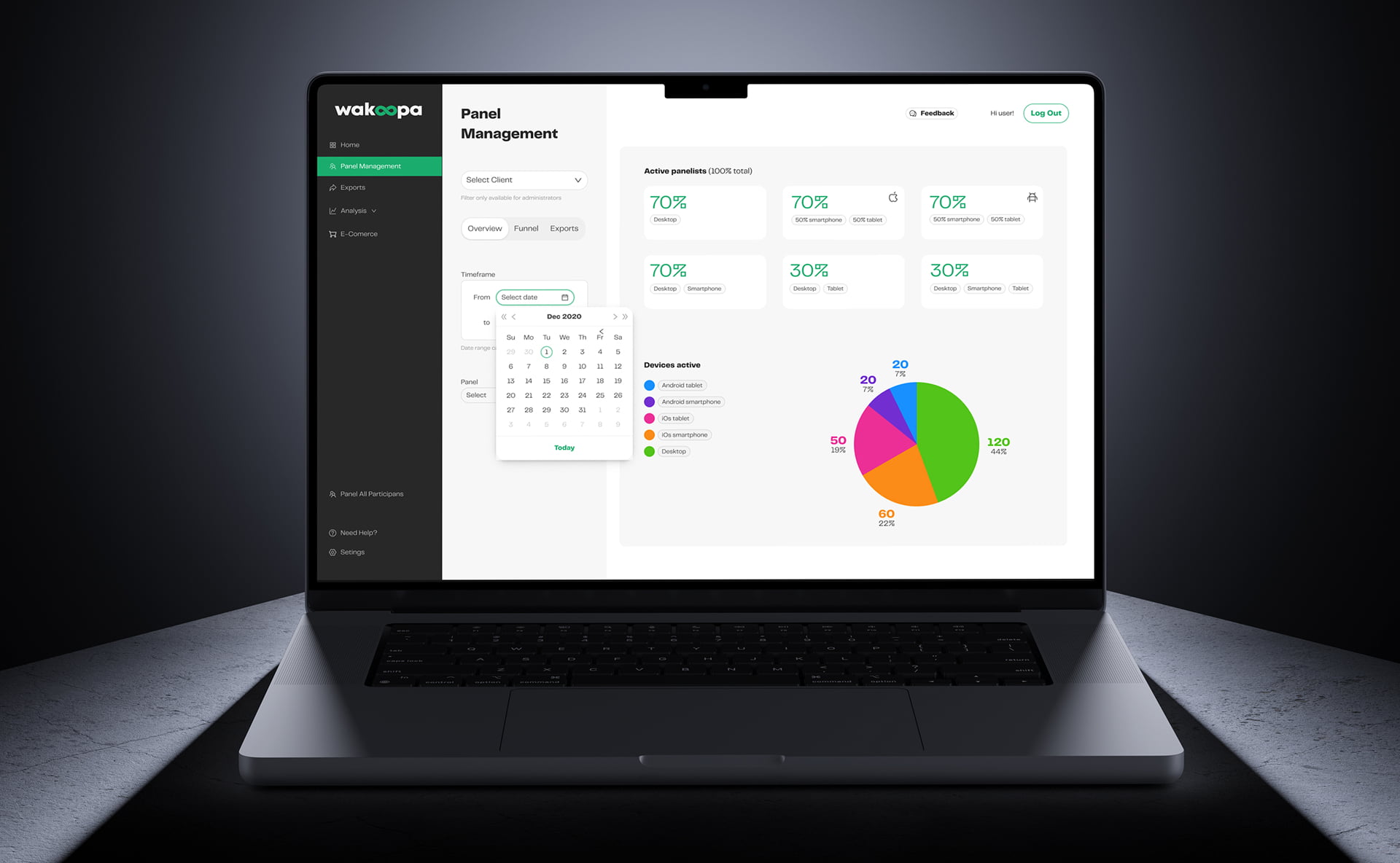
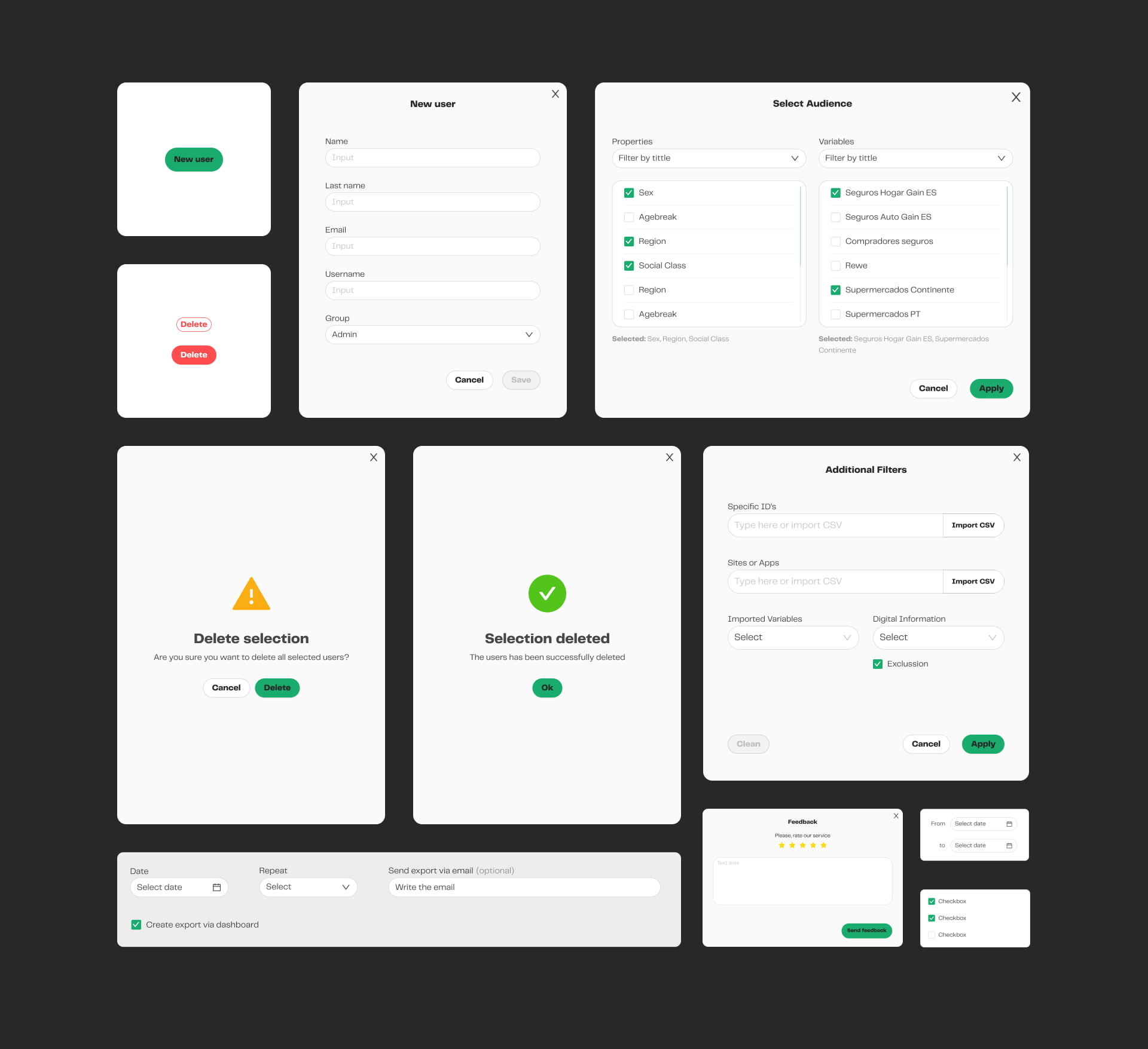
Reorganised information architecture. Improved data visualisation. Reduced navigation steps for frequent tasks.

Wakoopa-18
Wakoopa-17
Wakoopa-16

Outcomes

Wakoopa had a brand that matched where the company actually was. Two buyer audiences had clear, separate paths through the site. Platform clients had less friction doing the things they did every day.

Web traffic grew 3x in the first year after the rebrand — from ~1K sessions in Q3 2022 to a peak of 4.2K in Q2 2023. 2022 was also the first time web performance was being tracked in relation to the brand and site changes. The 0.24% improvement in page-to-form conversion during 2023 was the first measurable signal the new structure was working.


Key Insights


Structure before visuals

Splitting the site by audience wasn't just navigation — it made every content decision easier. Without it, everything was a compromise.

Brand and product are different layers
Keeping the brand abstract — the mark, the palette, the photography — meant it didn't compete with the data and dashboards inside the product.

Colour communicates positioning
The move from orange to dark/green wasn't just a style change. Black and green is the visual language of terminals, code editors, and data environments, the interfaces that data scientists and developers actually work in. It's borrowed credibility from an entire computing history.


wakoopa-15
wakoopa-14

Learnings

The visual work is rarely the hardest part. Getting alignment on who the product is for — before touching colours or type — is where the real work happens.

The audience split seems obvious now. It wasn't at the start. It came from looking at the old site and asking why the copy felt like it was written for no one. Because it was.

One thing I'd do differently: scope the content depth work as part of the brand project, not as a follow-on. A stronger visual identity and more specific product content aren't in conflict. They just need to be planned together from the start.

DESIGN-DEPT.

Barcelona, Spain
Phone: +34 622 712 521
Email: fabioestellita@gmail.com
Linkedin: /in/fabioestellita/

Copyright © 2026 DESIGN DEPT. 

All rights reserved.

Back to top Arrow